Migration Centre of Australia

News

12 January 2026: Australia Strengthens Laws Against Hate and Extremism

12 January 2026: Australia Strengthens Laws Against Hate and Extremism

The Australian Government has introduced new laws to strengthen Australia’s response to antisemitism, hate-motivated behaviour, and extremist activity. These reforms are aimed at better protecting the community by giving authorities stronger powers to identify and respond to individuals or groups involved in promoting hate or extremist conduct. These reforms aim to better protect the Australian community by giving authorities stronger powers to identify and respond to individuals or groups involved in promoting hate or extremist conduct. Key Changes to Migration and Citizenship Laws The new law updates several major migration and citizenship rules to ensure Australia can prevent high-risk individuals from entering or remaining in the country, and that visa and citizenship processes reflect modern security concerns. Stronger Visa Character Test Rules The legislation expands the visa character test (Section 501), allowing visas to be refused or cancelled for people involved in hate or extremist activity, including those who: Lower Risk Threshold Authorities can now act if a person “might” pose a risk, rather than needing proof they “would” pose a risk. This allows earlier preventative action. Temporary Safe Haven Visa Powers Expanded The Government may also refuse or cancel Temporary Safe Haven Visas where individuals are linked to extremist or hate-related conduct, even before the behaviour escalates. Permanent Exclusion From Reapplying Under updated migration regulations, individuals refused visas under certain character provisions may face permanent exclusion, meaning they cannot apply again unless: Citizenship Law Amendments The law also strengthens citizenship provisions by: Click here: Combatting Antisemitism, Hate and Extremism Bill 2026 and  Combatting Antisemitism, Hate and Extremism (Criminal and Migration Laws) Bill 2026

Read more
Brisbane 2032 Olympic & Paralympic Games: Nil VAC for Eligible Subclass 408 Visa Applicants

Brisbane 2032 Olympic & Paralympic Games: Nil VAC for Eligible Subclass 408 Visa Applicants

The Australian Government has officially recognised the Brisbane 2032 Olympic and Paralympic Games as an Approved Government-Endorsed Event for the Subclass 408 Temporary Activity visa. This means that eligible individuals involved in the Games may be able to apply for a Subclass 408 visa with no Visa Application Charge (nil VAC) under the Approved Government-Endorsed Event stream. This measure is intended to support the smooth entry of athletes, officials, media representatives, and other essential personnel required to deliver the Brisbane 2032 Games. Eligible applicants include individuals who have been approved for accreditation by the Brisbane 2032 Organising Committee, as well as members or personnel of organisations such as: The International Olympic Committee (IOC) These arrangements will commence from 21 January 2026 and will remain in place until the conclusion of the Brisbane 2032 Olympic and Paralympic Games in September 2032. Click here: Migration (Class of Persons for Nil VAC for Subclass 408 (Temporary Activity) – Brisbane 2032 Olympic and Paralympic Games) Instrument 2025

Read more
Counter-Terrorism Legislation Amendment: Under Visa Condition 8556

Counter-Terrorism Legislation Amendment: Under Visa Condition 8556

An important change has been introduced to Australia’s visa conditions to strengthen counter-terrorism measures. This update took effect from 13 December 2025. Under the amended visa condition 8556, certain visa holders must not associate or communicate with any foreign state entity that has been officially listed as a state sponsor of terrorism under Australian criminal law. This new requirement applies only to visas granted on or after 13 December 2025. Individuals who were granted their visas before this date will not be affected by this updated condition. Click here: Counter-Terrorism Legislation Amendment (State Sponsors of Terrorism) Regulations 2025
Read more
Australian Citizenship Amendment 2025: Changes to Notices Requirements

Australian Citizenship Amendment 2025: Changes to Notices Requirements

The Department of Home Affairs has introduced an important update to the citizenship process through new regulations that affect how citizenship notices are issued. This update is particularly relevant for individuals currently applying for Australian citizenship. The changes commenced on 17 December 2025 and focus on improving the form and content of official notices provided to citizenship applicants. The aim is to ensure that communications from the Department are clearer, more consistent, and aligned with current administrative standards. While these updates do not change eligibility criteria or application fees, they are intended to streamline procedures and support a more efficient and transparent citizenship process. Applicants and those assisting with citizenship applications should be aware of these changes to ensure they receive and understand notices correctly as part of their application journey Click here: Australian Citizenship Amendment (Notices of Citizenship) Regulations 2025
Read more
Biometrics and Citizenship Residence Update

Biometrics and Citizenship Residence Update

Important changes have been introduced to improve identity processes and provide more flexibility in citizenship rules for certain applicants. The updates strengthen how facial images are collected for identification purposes, ensuring the system aligns with modern biometric technology and international standards. Facial images collected before these changes will remain valid, and any decisions already made using those images will continue to stand. The changes also make citizenship residence requirements more flexible for people who need to spend extended periods overseas while undertaking work that benefits Australia. This adjustment applies under the special residence provisions for eligible applicants. These changes commenced from 2 December 2025. Click here: Home Affairs Legislation Amendment (2025 Measures No. 2) Bill 2025
Read more
Australian Immi App Expansion: Now Available in 34 Countries

Australian Immi App Expansion: Now Available in 34 Countries

The Department of Home Affairs has expanded the Australian Immi App to an additional 19 countries, bringing the total number of supported locations to 34. This expansion, effective from 24 November 2025. The eligible applicants from the following countries can now use the Australian Immi App: Algeria, Bahrain, Colombia, Egypt, Fiji, France, Greece, Hong Kong (SAR of the People’s Republic of China), Iran, Iraq, Jordan, Kuwait, Lebanon, Malaysia, Mexico, New Zealand (third‑country nationals), Oman, Pakistan, Papua New Guinea, Peru, Philippines, Qatar, Samoa, Saudi Arabia, Singapore, Solomon Islands, South Africa, South Korea, Thailand, Tonga, Türkiye, Tuvalu, United Arab Emirates, and Vanuatu. Key Features of the Immi App Expansion: A final rollout to all remaining countries participating in Australia’s biometric collection program is scheduled for early 2026, further expanding access to the Immi App and enhancing global access to Australia’s visa system. For more information click here
Read more
Citizenship Evidence Reforms Now in Effect — Digital Proof Recognised

Citizenship Evidence Reforms Now in Effect — Digital Proof Recognised

Australia has introduced important reforms to make it easier for individuals to prove their Australian citizenship. These changes support the Government’s efforts to modernise services and reduce the need for repeated paperwork. Under the updated rules, digital notices of citizenship evidence can now be issued alongside traditional paper citizenship certificates. This means individuals may receive digital proof of citizenship, making it simpler to access and share citizenship evidence when needed. The reforms also clarify the difference between physical certificates and digital notices. If citizenship is revoked or cancelled, surrender requirements will apply only to physical certificates, recognising that digital evidence operates differently. These changes came into effect on 5 December 2025. From this date, government agencies and service providers are expected to accept digital notices as valid evidence of Australian citizenship. Click here: Regulatory Reform Omnibus Bill 2025
Read more
Important Update for Dual British and Irish Citizens Travelling to the UK

Important Update for Dual British and Irish Citizens Travelling to the UK

The UK Government has introduced new entry requirements for individuals who hold both British and Irish citizenship. From 25 February 2025, dual British and Irish citizens must travel to and enter the United Kingdom using: Entry into the UK will no longer be allowed if you are travelling only on a passport from another nationality. While this change does not affect Australian migration law, it may be relevant if you: We recommend checking your travel documents before departure to ensure you meet the updated UK entry requirements. View the full guidance on the UK Government website.
Read more
Tasmania Skilled Migration Program Updates

Tasmania Skilled Migration Program Updates

The Tasmanian government has implemented minor adjustments to its skilled migration program settings. These changes aim to improve clarity and ensure that the program aligns with the region’s economic needs. These adjustments will not affect any existing Registrations of Interest (ROIs), and the new criteria will apply only to new ROIs submitted after the changes. Key Changes: Subclass 491 Tasmanian Skilled Employment Pathway Orange-plus Attribute Update: The score for the employment-related attribute has been increased from 30 to 35 points. This change aims to better recognize longer-term employment in roles that are relevant to the skills assessment. Updated Criteria: Orange Attribute Update: To avoid confusion with the Orange-plus attribute, the criteria for the Orange attribute have been amended. Updated Criteria: Impact: Subclass 190 and 491 Tasmanian Skilled Graduate Pathways Orange-plus Attribute – Graduate Program Offer: The requirement for the graduate program offer has been updated to remove the restriction on whether the program has commenced. Updated Criteria: Subclass 190 Tasmanian Established Resident Pathway Minimum Requirements Clarification: The wording for the business operation requirement has been updated for clarity. Updated Criteria: Click here: Subclass 491 Tasmanian Skilled Employment Pathway Subclass 190 Tasmanian Established Resident Pathway Subclass 190 and 491 Tasmanian Skilled Graduate Pathways
Read more
NSW Skilled Work Regional Visa (Subclass 491) Update – Pathway 1 and Pathway 3

NSW Skilled Work Regional Visa (Subclass 491) Update – Pathway 1 and Pathway 3

The NSW Government has announced that Pathway 1 and Pathway 3 for the Skilled Work Regional Visa (Subclass 491) have already reached their limit for the 2025/26 program year. These pathways opened on 19 January 2026, but because so many people applied on the first day, NSW received more applications than the number of places available. As a result, both pathways closed on the same day and are no longer accepting new applications. What happens now? Expedited (faster) assessment requests NSW will only consider urgent processing if the applicant has 10 business days or less before: For more information click here.
Read more
Administrative Review Tribunal Update: New Rules Effective 19 December 2025

Administrative Review Tribunal Update: New Rules Effective 19 December 2025

Administrative Review Tribunal Update: New Rules Effective 19 December 2025Important changes have been introduced to the Administrative Review Tribunal (ART) processes, effective from 19 December 2025. These updates are intended to make Tribunal procedures more efficient, flexible, and easier to manage for applicants. Key Updates Include: The Tribunal President can now authorise registrars and staff members to carry out additional powers and functions. This will help the Tribunal progress cases more efficiently before they are formally heard by a Tribunal member. Instead of having certain limitations written directly into the Tribunal rules, these will now be set by the Tribunal President through specific authorisation instruments. This allows greater flexibility in managing Tribunal operations. The updates also expand the list of decisions that do not require an application fee. This change follows recent reforms in the aged care sector and may benefit applicants seeking review of certain aged care-related decisions.
Read more
Strict Requirements to Sponsor

Strict Requirements to Sponsor

Australia’s migration regulations are being updated with new measures aimed at protecting temporary visa holders, strengthening penalties for migration offences, and improving community safety. These amendments, effective from 12 December 2025, reflect the government’s ongoing efforts to improve Australia’s migration system and ensure fairness and safety in the community. Key Amendments: Part 1 — Prohibited Employers Employers who are convicted of deliberately underpaying temporary migrant workers will face sanctions. This means they may be banned from sponsoring temporary visa workers in the future, helping protect migrants from exploitation. Part 2 — Personal Information Disclosure The changes allow authorities to collect and use personal information when making decisions about individuals affected by the Love v Commonwealth; Thoms v Commonwealth (2020) High Court decision. This helps assess whether permanent stay options may be available. Part 3 — Updates Penalties for Infringement Notices Penalties for certain migration offences will now be calculated using penalty units instead of fixed dollar amounts. This ensures fines remain up to date as penalty unit values change over time. Part 4 — Strengthening BVR Management New rules apply to some Bridging Visa R holders, including the New Zealand YQ cohort (NZYQ). These changes include: Click here: Migration Amendment (2025 Measures No. 1) Regulations 2025
Read more
Important Update for VETASSESS Pathway 1 Applicants

Important Update for VETASSESS Pathway 1 Applicants

From 1 January 2026, VETASSESS will introduce a new requirement for Pathway 1 applicants. Applicants will need to complete and submit a Language, Literacy, Numeracy, and Digital Skills (LLND) assessment as part of their Documentary Evidence Assessment application. This requirement will apply to applicants in trade occupations who do not currently hold an Australian qualification or an occupational licence. The LLND assessment is designed to help ensure that applicants have the necessary skills to meet the demands of the Australian workforce. To submit the LLND assessment, applicants must: In addition, VETASSESS will release updated video guides for each occupation, effective 1 January 2026. Before preparing video evidence, please ensure that you download the latest version of the relevant video guide from the official VETASSESS website to meet the updated requirements. For more information click here
Read more
Student Visa Update: Evidence Level Adjustments for Subclass 500

Student Visa Update: Evidence Level Adjustments for Subclass 500

The Department of Home Affairs has updated the Subclass 500 Student visa program to reflect changes to the evidence levels for several countries in South East Asia, effective 8 January 2026. These changes are being introduced to address emerging integrity risks while continuing to support genuine international students who wish to study in Australia. Evidence levels determine the financial capacity and English language evidence requirements that Student visa applicants must provide. They are calculated using a weighted average of indicators, based on the total number of international students—both visa applicants and current visa holders—who hold a Confirmation of Enrolment (CoE) for their main course of study with an Australian education provider. These updates form part of the Department’s broader approach to maintaining the integrity of the student visa program while ensuring that Australia remains accessible to genuine students seeking a quality education Click here: Subclass 500 Student Visa and Evidence framework
Read more
State Nomination Updates

State Nomination Updates

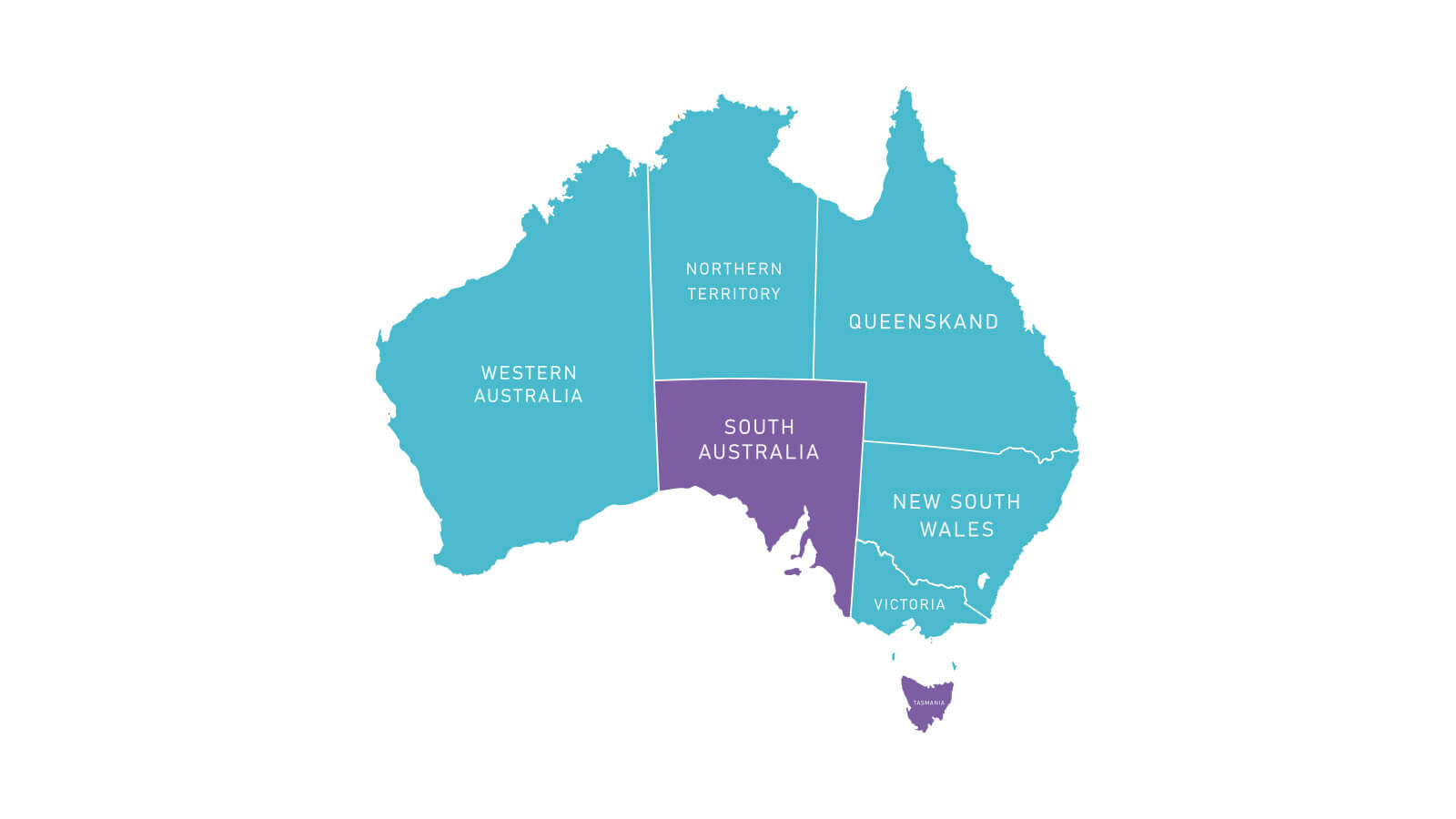
South Australia and Tasmania have released their latest skilled migration nomination invitation updates for January 2026 under the 2025–26 program year. The South Australian Government issued nomination invitations for Subclass 190 and Subclass 491 visas. Total invitations issued in the 2025–26 program year to date: The Tasmanian Government updates its nomination invitation data on a weekly basis, with the most recent update released on 8 January 2026. Invitations issued on 8 January 2026: Nomination places remaining for the 2025–26 program year: Click here: South Australian Government and Tasmanian Government

Read more

FNQ DAMA Update: Employers Should Consolidate Variation Requests to Avoid Future Limits

Businesses operating under the Far North Queensland Designated Area Migration Agreement (FNQ DAMA) are being encouraged to take a more strategic approach when submitting variation requests, as the volume of applications has increased significantly. The update notes that the FNQ DAMA framework supports forward workforce planning, allowing The FNQ DAMA is designed to support long-term workforce planning, allowing employers to seek approval for required occupations and staffing needs in advance, rather than lodging multiple requests for individual nominees. Variation requests can cover projected recruitment requirements over a 12–24 month period, enabling companies to plan ahead and reduce processing delays. The Department of Home Affairs has noted that frequent small variation submissions are creating administrative strain and are inconsistent with the intended operation of the DAMA program. If this continues, the Department may introduce a restriction of one variation request per employer per year. Employers are encouraged to consolidate workforce needs into fewer, more comprehensive submissions. The Cairns Chamber of Commerce continues to provide monthly FNQ DAMA information sessions for businesses, with the next session scheduled for Wednesday, 4 February 2026. Click here: Cairns Chamber of Commerce
Read more

Brisbane 2032 Games: Nil Visa Application Charge for Eligible Subclass 408 Applicants

Companies and organisations supporting the delivery of the Brisbane 2032 Olympic and Paralympic Games should note an important visa development. The Australian Government has officially designated Brisbane 2032 as an Approved Government-Endorsed Event (AGEE) for the purposes of the Subclass 408 Temporary Activity visa. Under a new legislative instrument, eligible individuals involved in the Games may apply for a Subclass 408 visa with a Nil Visa Application Charge (VAC) as primary applicants under the AGEE stream. This initiative is intended to support the smooth entry of critical personnel required for the event, including athletes, officials, media representatives, and specialised staff. The eligible class of persons includes individuals accredited by the Brisbane 2032 Organising Committee, as well as members or personnel of key international bodies such as: The instrument will commence on 21 January 2026 and remain in effect until 6 September 2032. Businesses engaged in event delivery, broadcasting, sponsorship, or logistics should consider this visa pathway when planning workforce needs. Click here: Migration (Class of Persons for Nil VAC for Subclass 408 (Temporary Activity) – Brisbane 2032 Olympic and Paralympic Games) Instrument 2025

Read more

Administrative Review Tribunal Amendment Rules (No. 1) 2025

The Administrative Review Tribunal Amendment Rules (No. 1) 2025 introduce important changes to the Administrative Review Tribunal Rules 2024, effective from 19 December 2025. These updates aim to streamline Tribunal processes and ensure a more efficient and flexible administrative framework. Key Updates Include: The amendments enable the President of the Tribunal to authorise registrars and staff members of the Tribunal to exercise or perform additional powers or functions. This change aims to enhance the Tribunal’s ability to efficiently progress matters before they are heard by a Tribunal member. The rules now provide that limitations on the exercise of certain authorised powers or functions will be imposed by the President in the authorising instrument, rather than being prescribed in the ART Rules The amendments introduce provisions for additional decisions for which an application fee is not payable. This change is a result of the Aged Care Act 2024, which came into effect on 1 November 2025.
Read more

Changes to Migration Regulations: 2025 Amendments

The Migration Amendment (2025 Measures No. 1) Regulations 2025 introduce important changes to the Migration Regulations 1994, aiming to protect temporary visa holders, modernise penalties, and enhance community safety while addressing recent court decisions to maintain a fair and transparent migration system. These amendments, effective from 12 December 2025, reflect the government’s ongoing efforts to improve Australia’s migration system and ensure fairness and safety in the community. Key Amendments: Part 1 — Prohibited Employers Employers convicted of intentionally underpaying a temporary migrant worker under section 327A of the Fair Work Act 2009 will face a migrant worker sanction. This will prevent them from sponsoring temporary workers under the Migration Act, protecting workers from exploitation. Part 2 — Personal Information Disclosure This amendment allows for the collection and use of personal information by authorities to inform decisions on issuing certificates to individuals affected by the Love v Commonwealth; Thoms v Commonwealth (2020) decision and assess the possibility of offering permanent stay. Part 3 — Modernising Penalties for Infringement Notices Penalties for offences under sections 229 and 230 of the Migration Act will now be based on penalty units rather than specific dollar amounts, aligning penalties with future increases in the value of a penalty unit under the Crimes Act 1914. Part 4 — Strengthening BVR Management Changes to the management of Bridging Visa Remain (BVR) holders, especially for New Zealand YQ cohort (NZYQ), include: Click here: Migration Amendment (2025 Measures No. 1) Regulations 2025
Read more

Canberra Matrix Invitation Round

The Australian Capital Territory (ACT) Government has the flexibility to address skills shortages and labour market needs in the Territory through the state/territory nominated stream of the Australian Migration Program. The Australian Government allocates the ACT a fixed number of nomination places each financial year. The interested persons can apply for ACT nomination by completing score-based ‘Canberra Matrix’ where points can be claimed against specific criteria including skilled employment, English proficiency, formal qualifications, length of ACT residence / study, investment activity and close family ties, etc. Canberra has a fixed number of nomination places available each month (pro-rata against the annual allocation). Invitation Round: 21 May 2024 The highest ranked Matrix in each occupation were invited to apply for ACT nomination. The cut‑off for selection depended on the remaining monthly allocation, the date and time of Matrix submission, occupation cap and demand. The greater the demand for a particular occupation, the higher the rank of the Matrix score invited. Matrix nominating Small Business Owners: 10 invitations ACT 190 nominations: 04 invitations 190 minimum matrix score: 125 ACT 491 nominations: 06 invitations 491 minimum matrix score: 105 Matrix nominating 457 visa / 482 visa holders: 10 invitations ACT 190 nomination: 08 invitations ACT 491 nomination: 02 invitations Matrix nominating Critical Skill occupations: 164 invitations ACT 190 nomination: 54 invitations ACT 491 nomination: 110 invitations Overseas Applicants Matrix nominating Critical Skill occupations: 110 invitations ACT 190 nomination: 16 invitations ACT 491 nomination: 94 invitations Matrix will not be prioritised or issued invitations based on personal circumstances. This includes, but is not limited to, visa expiry dates or a change in circumstances including critical birthdays. The minimum ranking score is not a guarantee but rather an indication that an invitation was issued.  Invitations were not issued if the applicants have an active application in the system or the applicants have previously received ACT nomination.
Read more

Closure of Registrations of Interest for South Australia’s skilled migration program

Registration of Interest (ROI) applications for South Australia’s skilled migration for onshore applicants have closed for the 2023-2024 program year. The registration of interest applications have been closed for onshore applicants only which means that the offshore applicants can continue to submit a SkillSelect Expression of Interest (EOI) for consideration and will receive a direct invitation to apply for South Australian state nomination, if successful. For the nomination allocation of 2,300 places in this financial year (2023-24), South Australia received more than 12,000 ROIs which points at the competitiveness of the process.   All ROIs received will be processed by 30 June 2024 and in case no invitation is received to apply for state nomination this program year, the applicants can submit another ROI in 2024-25 program year.
Read more

Temporary Skilled Migration Income Threshold 2024

The Department has announced that the TSMIT will increase from $70,000 to $73,150 effective from 1 July 2024 to ensure a better targeted skilled migration system. In July 2023, the Temporary Skilled Migration Income Threshold (TSMIT) was increased from $53,900 to $70,000. It was the first increase to the TSMIT since 2013 and it was set around where the TSMIT would have been if it had been indexed to average weekly ordinary time earnings growth over the last 10 years at that time. Now in July 2024, the temporary income threshold will be set at $73,150. Therefore, from 1 July 2024, the annual market salary rate for the nominated occupation and the guaranteed annual earnings the nominator will pay to the worker must be at least $73,150. New nomination applications will be required to meet this threshold or the annual market salary rate, whichever is higher. • Nominations lodged on or before 30 June 2024 will need to meet the ‘old’ TSMIT of $70,000. • Nominations lodged on or after 1 July 2024 will need to meet the ‘new’ TSMIT of $73,150. The TSMIT applies to a number of skilled visas, including the Temporary Skill shortage (subclass 482), Skilled Employer Sponsored Regional (Provisional) (subclass 494), Employer Nomination Scheme (subclass 186) and Regional Sponsored Migration Scheme (subclass 187) visas.
Read more

Age Update for Masters and PhD graduates applying for the Temporary Graduate (subclass 485) visa in the Post-Higher Education Work Stream

The maximum age for Masters (research) and PhD graduates applying for the SC 485 visa will remain at 50 years. Following representations from the Migration Institute of Australia (MIA) on behalf of its members, the Department of Home Affairs has confirmed that this age limit will be maintained beyond the changes coming into effect on 1 July 2024. Consequently, masters (research) and doctoral degree (PhD) graduates can continue to apply for the SC 485 visa in the Post-Higher Education Work stream without concern about a reduction in the age limit.
Read more

Canberra Matrix Invitation Round

The Australian Capital Territory (ACT) Government has the flexibility to address skills shortages and labour market needs in the Territory through the state/territory nominated stream of the Australian Migration Program. The Australian Government allocates the ACT a fixed number of nomination places each financial year. The interested persons can apply for ACT nomination by completing score-based ‘Canberra Matrix’ where points can be claimed against specific criteria including skilled employment, English proficiency, formal qualifications, length of ACT residence / study, investment activity and close family ties, etc. Canberra has a fixed number of nomination places available each month (pro-rata against the annual allocation). Invitation Round: 5 April 2024 The highest ranked Matrix in each occupation were invited to apply for ACT nomination. The cut‑off for selection depended on the remaining monthly allocation, the date and time of Matrix submission, occupation cap and demand. The greater the demand for a particular occupation, the higher the rank of the Matrix score invited. Matrix nominating Small Business Owners: 23 invitations ACT 190 nominations: 05 invitations 190 minimum matrix score: 125 ACT 491 nominations: 18 invitations 491 minimum matrix score: 100 Matrix nominating 457 visa / 482 visa holders: 27 invitations ACT 190 nomination: 20 invitations ACT 491 nomination: 07 invitations Matrix nominating Critical Skill occupations: 213 invitations ACT 190 nomination: 96 invitations ACT 491 nomination: 117 invitations Overseas Applicants Matrix nominating Critical Skill occupations: 122 invitations ACT 190 nomination: 19 invitations ACT 491 nomination: 103 invitations Matrix will not be prioritised or issued invitations based on personal circumstances. This includes, but is not limited to, visa expiry dates or a change in circumstances including critical birthdays. The minimum ranking score is not a guarantee but rather an indication that an invitation was issued.  Invitations were not issued if the applicants have an active application in the system or the applicants have previously received ACT nomination. The next Canberra Matrix invitation round will be held before 18 August 2023.
Read more

Amendments to Temporary Graduate (subclass 485) visa program

The Australian Government has announced change to Temporary Graduate visa to be effective from 1 July 2024 Graduate Work Stream The Graduate Work stream will be renamed as Post-Vocational Education Work stream. Applicants who have completed a degree level qualification or above will no longer be able to apply in this stream and must apply through the ‘Post-Higher Education Work’ stream. The maximum age for this stream will reduce from 50 to 35 years of age or under at time of application. Hong Kong and British National Overseas passport holders will still be eligible if they are under 50 years of age. Eligible applicants will be granted this visa for a period of 18 months, except for Hong Kong or British National Overseas (BNO) passport holders, who will be granted a visa for a period of 5 years. Post-Study Work Stream The Post-Study Work stream will be renamed to Post-Higher Education Work stream and the applicants for this stream must hold an associate degree, diploma or trade qualification closely related to an occupation on the Medium and Long-term Strategic Skills List (MLTSSL). The maximum age for this stream will reduce from 50 to 35 years of age or under at time of application. The ‘select degree’ 2-year extension will cease. Visa grant period will change to the following: Bachelor degree (including honours) – up to 2 years Masters (coursework and extended) – up to 2 years Masters (research) and doctoral degree (PhD) – up to 3 years. Visa grant periods for Indian nationals, in accordance with the Australia India – Economic Cooperation and Trade Agreement (AI-ECTA), remain as: Bachelor degree (including honours) – up to 2 years Bachelor degree (with first class honours in STEM, including ICT) – up to 3 years Masters (coursework, extended and research) – up to 3 years Doctoral degrees (PhD) – up to 4 years.    The Second Post-Study Work stream will be renamed the Second Post-Higher Education Work stream and the rest of the requirements for this stream will remain the same. The Replacement Stream which was used for students impacted by the COVID-19 pandemic and associated restrictions will cease on 1 July 2024.
Read more

Migration (LIN 19/198: Evidence of financial capacity—Subclass 500 Visa and Subclass 590 Visa) Amendment (LIN 24/042) Specification 2024

Migration (LIN 19/198: Evidence of financial capacity—Subclass 500 Visa and Subclass 590 Visa) Amendment (LIN 24/042) Specification 2024 dated 2 May 2024 amends Migration (LIN 19/198: Evidence of financial capacity—Subclass 500 Visa and Subclass 590 Visa) Instrument 2019 to revise and increase the amount of funds required to be evidenced  by an applicant seeking to satisfy the primary criteria for the grant of a Subclass 500 visa, secondary criteria for the grant of a Subclass 500 visa, or primary criteria for the grant of a Subclass 590 visa, if required to do so by the Minister. The revised amount of funds for the purpose of evidencing financial capacity by an applicant for a Subclass 500 or Subclass 590 visa reflect the current cost of living pressures these visa holders will be subject to once they arrive in Australia. Previously, these figures were adjusted based on the Consumer Price Index but the current figures are based on a new methodology, calculated as a proportion of the Australian National Minimum Wage. The National Minimum Wage is the minimum amount an employer must pay an employee. It is a reasonable approach to ensure that visa holders can support themselves at a standard comparable to the lowest paid Australian worker. The instrument increases the following annual living costs and expenses: The amount of living costs and expenses required for a student or guardian has been increased from AUD24,505 to AUD29,710 The living costs required for a spouse or de facto partner of an applicant has been an increased from AUD8,574 to AUD10,394 The living costs required for each dependent child has been increased from AUD3,670 to AUD4,449 The annual school costs required for each school-aged dependent child has been increased from AUD9,661 to AUD13,502 The personal annual income required for a primary applicant if there is no secondary applicant has been increased from AUD72,465 to AUD87,856 The personal annual income required for a primary applicant where there is a secondary applicant has been increased from AUD84,543 to AUD102,500. The instrument is registered on the Federal Register of Legislation on 9th May 2024. It is currently in force. To access the instrument, click here.
Read more

Impact of Budget 2024 on immigration policies and trends

The Budget 2024 has introduced several reforms in the Australian migration policies and trends. A comprehensive analysis of the impact of national budget 2024 on immigration policies and trends is given below: Drop in Net Overseas Migration The net overseas migration numbers are expected to decrease significantly, from 528,000 to 260,000 by 2024-25. Allocation of132,200 spots to skilled workers Out of 185,000 places 70 % have been allocated to skilled stream. The planning horizon for the permanent Migration Program will also be extended to delivering a better managed migration system from one year to four years. Streamlining Work & Holiday Visa Program Starting in the 2024–25, the government will implement a visa pre-application ballot system for the capped Work and Holiday (subclass 462) visa program for applicants from China, Vietnam, and India. This ballot system aims to better manage demand and streamline application processing times for these countries. A ballot fee of $25 will be introduced, which will be adjusted annually in line with the Consumer Price Index.  New mobility pathway for Indian graduates and early career professionals The Government will implement a new Mobility Arrangement for Talented Early-professionals Scheme (MATES) program for Indian nationals from 1 November 2024. MATES will provide a new mobility pathway for 3,000 Indian graduates and early career professionals between the age of 18 to 30 years (at the time of application), with knowledge and skills in targeted fields of study to live and work in Australia for up to two years. Extension of Business Visitor visa for Indian Nationals upto 5 Years The validity of the Visitor visa (subclass 600) Business Visitor stream for Indian nationals from up to three years to up to five years. New National Innovation Visa to replace Global Talent Visa The current Global Talent visa (subclass 858) will be replaced by a new National innovation Visa by late 2024, to target exceptionally talented migrants who will drive growth in sectors of national importance.  Business Innovation and Investment visa program to be discontinued The Business Innovation and Investment visa program (BIIP) will end and the applicants withdrawing their BIIP application will receive the refunds of the visa application charge from September 2024. Reduction in the work experience requirement for Temporary Skill Shortage (sc482) visa From 23 November 2024 onwards, the work experience requirement for the Temporary Skill Shortage (subclass 482) visa will be reduced from two years to just one year for all applicants. Introducing Administrative Review Tribunal to replace AAT to address migration backlogs Investment of $1.0 billion to establish and support the new Administrative Review Tribunal (ART), which will replace the Administrative Appeals Tribunal (AAT), and to alleviate court backlogs associated with high numbers of applications for judicial review of migration decisions. Extending support to temporary visa holders The Escaping Violence Payment trial and Temporary Visa Holders Experiencing Violence Pilot will be extended until 30 June 2025, with the commencement of a new Leaving Violence Program in mid-2025. The allocation of funds in national budgets plays a crucial role in shaping immigration policies and trends. Australian Budget 2024 aims to deliver a better managed migration system in order to drive greater economic prosperity and restore its integrity.
Read more

Migration (English Language Requirements for Subclass 476 (Skilled – Recognised Graduate) and Subclass 485 (Temporary Graduate) Visas) Instrument (LIN 24/021) 2024

Migration (English Language Requirements for Subclass 476 (Skilled – Recognised Graduate) and Subclass 485 (Temporary Graduate) Visas) Instrument 2024 dated 21 March 2024 increases the required English language test scores, as part of the Australian Government’s Migration Strategy announced on 11 December 2023, to improve the integrity of the temporary graduate visa program. The instrument repeals Migration Regulations 1994 – Specification of English Language Tests, Scores and Passports 2015 and has made the following changes: The minimum score requirement has been raised from IELTS 6.0 to 6.5 (or its equivalent), with a minimum score of 5.5 in each test component (reading, writing, speaking, and listening). The validity period for English language test results for temporary graduate visa applications has been shortened from three years to one year. Applicants must now show proof of having taken an English language test within one year prior to the visa application date. The test scores have not increased for Hong Kong or British National (Overseas) passport holders and are still required to have an IELTS score of 6.0 (or equivalent), with at least 5.0 in each component. The Instrument is registered on the Federal Register of Legislation on 21 March 2024 and commenced on 23 March 2024. It is currently in force. To access the instrument, click here.
Read more

Migration (English Language Tests and Evidence Exemptions for Subclass 500 (Student) Visa) Instrument 2024

Migration (English Language Tests and Evidence Exemptions for Subclass 500 (Student) Visa) Instrument 2024 dated 21 March 2024 increases the required English language test scores, as part of the Australian Government’s Migration Strategy announced on 11 December 2023, to improve the integrity of the student visa program. The instrument repeals Migration (IMMI 18/015: English Language Tests and Evidence Exemptions for Subclass 500 (Student) Visa) Instrument 2018 and specifies new English language proficiency requirements to satisfy the criterion for the grant of a Subclass 500 (Student) visa. The following changes have been introduced: The minimum English proficiency test score has been raised from an International English Language Testing System (IELTS) score of 5.5 to 6.0 (or equivalent). The score requirement for students seeking to enrol in a packaged English Language Intensive Courses for Overseas Students (ELICOS) has raised from IELTS 4.5 to 5.0 (or equivalent). Students enrolled in recognised university foundation or pathway programs offering reputable English language training now require a minimum score of IELTS 5.5 (or equivalent). These programs will be listed on the Department’s website. There is no change for students studying exclusively through ELICOS. The Instrument is registered on the Federal Register of Legislation on 21 March 2024 and commenced on 23 March 2024. It is currently in force. To access the instrument, click here.
Read more

Migration Amendment (Pacific Australia Labour Mobility Scheme) Regulations 2024

Migration Amendment (Pacific Australia Labour Mobility Scheme) Regulations 2024 (the Regulations) dated 14 March 2024 amend the Migration Regulations 1994 to permit certain PALM scheme workers who are granted visas for between one and four years to apply to bring their family to Australia, if supported by the scheme. The Pacific Australia Labour Mobility (PALM) scheme provides for the entry and temporary stay of workers from Pacific island countries and Timor-Leste for the purpose of overcoming workforce shortages across Australia. Previously, only the workers participating in the PALM scheme were allowed to apply for and be granted a visa and not the secondary applicants. The Migration Amendment (Pacific Australia Labour Mobility Scheme) Regulations 2024 now allows PALM scheme workers who are granted visas to live and work in Australia for between one and four years to apply to bring their family to Australia, if supported by the scheme. However, PALM scheme workers with visa up to nine months at a time are not eligible to bring their families to Australia.  To make a valid application for a Subclass 403 visa as a secondary applicant in the PALM stream: the primary applicant who is their family unit member must be an applicant for the grant of or holds a Subclass 403 visa as a primary applicant in the PALM stream that permits the primary applicant to remain in Australia for a period of at least 1 year, or holds a Subclass 403 in the Pacific Labour Scheme stream the application by the secondary applicant is supported, in writing, by a department responsible for administering the PALM scheme and such support has not been withdrawn The amendments further provide a visa application charge of AUD$335 for any PALM stream secondary applicant who is at least 18 years of age and $80 for any PALM stream secondary applicant who is less than 18. The VAC for the primary applicant remains unchanged at AUD$335. The Instrument is registered on the Federal Register of Legislation on 20 March 2024 and commenced on 25 March 2024. It is currently in force. To access the instrument, click here.
Read more

Migration (Visa Pre-application Process) Charge Regulations 2024

Migration (Visa Pre-application Process) Charge Regulations 2024 dated 14 March 2024 prescribe the amounts of charge to be imposed on the registration of a person as a registered participant in a visa pre-application process. The Migration Amendment (Subclass 192 (Pacific Engagement Visa) Regulations 2024 amend the Migration Regulations 1994 to introduce a new Subclass 192 (Pacific Engagement) visa which will provide access to permanent residence in Australia for citizens of a number of Pacific island countries and Timor-Leste, and members of their family units. The Pacific Engagement visa is the first visa to utilise the visa pre‑application ballot process as a requirement to lodge a valid visa application. It is necessary to impose a minimal charge on registering in the Pacific Engagement visa ballot to ensure that registrants are genuine and have thoughtfully considered their ability to pursue the visa if selected. The Regulations prescribe an amount of AUD25 as the charge for registration as a registered participant in a ballot for the new Pacific Engagement visa. The charge must be paid at the time of registration. If the charge is not paid at this time, the person is taken to never have been registered as a registered participant in the visa pre-application process. The Charge Act establishes a ceiling of AUD100 as the maximum charge that may be prescribed for a particular ballot. It is expected that additional visas may employ this ballot procedure in the future. The Instrument is registered on the Federal Register of Legislation on 19 March 2024 and commenced on 29 March 2024. To access the instrument, click here.
Read more

Migration Amendment (Subclass 192 (Pacific Engagement) Visa) Regulations 2024

Migration Amendment (Subclass 192 (Pacific Engagement) Visa) Regulations 2024 dated 14 March 2024 amend the Migration Regulations 1994 to introduce a new permanent Subclass 192 (Pacific Engagement) visa which will provide access to permanent residence in Australia for citizens of a number of Pacific island countries and Timor-Leste, and members of their family units. The regulations also prescribe the requirements to be met for making a valid application for the subclass 192 visa including the requirement that a primary applicant must have been randomly selected in a visa pre-application process relating to the country of which the applicant is a citizen and other requirements to be met in relation to the grant of a Subclass 192 (Pacific Engagement) visa. The PEV program will offer permanent residency to eligible citizens of participating Pacific island countries and Timor-Leste, and their immediate family members, who have been randomly selected through a visa pre-application ballot process (the rules that apply in relation to the eligibility for, and conduct of, the PEV pre-application ballot process will be set out in the PEV Determination). Entrants successfully drawn in the ballot and their immediate family members are able to apply for a PEV. As per the Amendment Regulations, in order to make a valid application for a PEV, a primary applicant must Qualify as a selected participant through the relevant visa pre-application process Be between 18 and 45 years old at the start of the registration period for the applicable visa pre-application process Possess a valid passport issued by the relevant country at the time of registration as a participant in that process Be born in, or have a parent born in, a specific country listed in Schedule 1 to the PEV Determination not be a citizen of New Zealand; Submit a PEV application on or before the specified date in the selection notice (indicating success in the ballot)). The visa application charge (VAC) for the PEV is AUD325 for the primary applicant and AUD80 for each additional applicant included in the application as a migrating family member, payable at the time the visa application is made. Pacific Engagement Visa endorses the Government’s commitment to enhance Australia’s connections with the Pacific region and will notably raise the number of people from Pacific island nations and Timor-Leste who can obtain permanent residency in Australia. The Instrument is registered on the Federal Register of Legislation on 19 March 2024 and commenced on 29 March 2024. To access the instrument, click here.
Read more

Migration Amendment (Suspending Education Providers) Regulations 2024

Migration Amendment (Suspending Education Providers) Regulations 2024 dated 14 March 2024 supports implementation of the Government’s Migration Strategy announced on 11 December 2023. The Regulations amends the Migration Regulations 1994 to prescribe the ‘relevant score’ as a matter that the Minister may have regard to when considering whether to issue a suspension certificate under section 97 of the ESOS Act. The ESOS Act sets out rules for registering providers offering education services to international students. Section 97 of the Act allows the Immigration Minister to issue a suspension certificate to a registered provider or their associate if they believe that substantial number of international students are coming to or staying in Australia for purposes not contemplated by their visa. This initiative is part of the Australian Government’s Migration Strategy, aimed to support integrity in the international education system and to support genuine overseas student. Under subsection 97(2) of the ESOS Act, in considering whether to give such a certificate, the Immigration Minister may have regard to any of the following: the number of applications for student visas made by overseas students and intending overseas students, in respect of the registered provider or associate, that have been refused, where there were fraudulent statements made or fraudulent documents given in connection with the application; the number of the registered provider’s or associate’s accepted students and former accepted students who have breached conditions of their visas; the number of accepted students and former accepted students of the registered provider or associate who remain in Australia unlawfully after finishing their courses; any other matter set out in regulations made for the purposes of this paragraph under the Migration Act 1958. Under section 98 of the ESOS Act, before issuing a suspension certificate, the Immigration Minister must give the registered provider a written notice stating that they intend to give the provider a suspension certificate and why.  The effect of a suspension certificate is that the provider would not be able to recruit new international students for the period that the suspension certificate remains in force (6 months). However, existing students may continue their studies with the provider. The Amendment Regulations amend the Migration Regulations to provide the Minister with the ability to specify by instrument the method for working out a score, when and how often a relevant score is to be worked out and the period in which a relevant score has effect for a registered provider in a legislative instrument. The Instrument is registered on the Federal Register of Legislation on 22 March 2024 and commenced on 23 March 2024. It is currently in force. To access the instrument, click here.
Read more

Migration Amendment (Subclass 500 Visas) Regulations 2024

The Migration Amendment (Subclass 500 Visas) Regulations 2024 (the Amendment Regulations) amend the Migration Regulations 1994 to focus on the requirement that a Subclass 500 (Student) applicant must intend to genuinely enter and stay in Australia as a student, by removing the requirement that Student visa applicants intend to genuinely stay in Australia temporarily. The Subclass 500 visa allows international students (and members of their family unit) to enter, study and work in Australia for the duration of the primary visa holder’s studies. Previously, in order for a Subclass 500 visa to be granted, an applicant needed to satisfy the genuine temporary entrant requirement that is the applicant intend to genuinely stay in Australia temporarily, which was a way of assessing that the applicant is a genuine student. However, the requirement caused confusion and possibly deterred future migration to Australia, as many international students plan to apply for permanent residency after finishing their studies. The Subclass 500 visa can be a genuine route to permanent residency, as the skills gained from studying can help fill skill shortages in Australia. The amendment aims to enhance the evaluation of a student’s genuine intention to study in Australia and better detect any non-genuine international students entering Australia for reasons other than study. With the amendment, the genuine student criterion enables the decision-maker to assess whether the visa applicant genuinely intends to enter and stay in Australia as a student, taking into account various factors such as the applicant’s situation, immigration history, adherence to visa conditions, and any other relevant factors. The Instrument is registered on the Federal Register of Legislation on 18 March 2024 and commenced on 23 March 2024. It is currently in force. To access the instrument, click here.
Read more

End of the two-year extension of post-study work rights for international graduates (subclass 485)

From mid-2024 international higher education graduates will no longer be able to apply for the two-year extension of their post study work rights on their Temporary Graduate visa (subclass 485). From 1 July 2023, the extended post-study work rights for additional two years were conferred on international graduates with degrees in select areas of verified skill shortage, on their Temporary Graduate visa (subclass 485). Those extended post-study work rights will no longer be available to such graduates from mid-2024.
Read more

New Visa Condition 8208

The Migration Regulations has been amended to insert new visa condition 8208 which applies to Subclass 500 visas to safeguard against the risk of unwanted transfer of Australia’s critical technology in certain temporary and permanent visa programs. The following instruments will activate the provisions of visa condition 8208: Migration (Designated Migration Law—Visa Condition 8208) Determination (LIN 24/009) 2024 determines condition 8208 of Schedule 8 to the Regulations to be part of the designated migration law for the purposes of section 495A of the Act. Condition 8208 requires student visa holders to obtain the approval of the Minister to undertake critical technology related study in a postgraduate research course. The Minister’s decision regarding granting such approval would follow an assessment of the risk of an unwanted transfer of critical technology by the visa holder. The purpose of this Instrument is to allow the Minister to use computerised programs for decision-making in certain circumstances. The instrument is registered on the Federal Register of Legislation on 19 February 2024 and will commence on the 1 April 2024. To access the instrument, click here. Migration (Critical Technology -Kinds of Technology) Specification (LIN 24/010) 2024 specifies seven kinds of technology included in the definition of critical technology in regulation 1.03 of the Migration Regulations namely: Advanced manufacturing and materials technology Artificial intelligence technology Advanced information and communication technology Biotechnology Clean energy generation and storage technology Quantum technology Autonomous systems, robotics, positioning, timing, and sensing technology. This instrument commences on 1 April 2024 and applies: In relation to any application for a visa made on or after 1 April 2024, including in relation to public interest criterion 4003B in Schedule 4 to the Regulations•in relation to conduct covered by condition 8208 where the visa holder first undertakes critical technology related study on or after 1 April 2024. On or after 1 April 2024 for the purposes of regulation 2.43 and subclause 10802(2) of Schedule 13 to the Regulations, in relation to any visa granted before, on or after 1 April 2024. To access the instrument, click here.
Read more

Innovation and Early Careers Skills Exchange Pilot

Innovation and Early Careers Skills Exchange Pilot is a new temporary visa pathway for UK Citizens under the Australia-United Kingdom Free Trade Agreement (A-UKFTA) with two streams. There are two streams under IECSEP which includes: The Early Careers stream offers stays in Australia for up to one year for tertiary-qualified applicants aged 21-45, who have already worked for a minimum three months in an organisation. This stream requires that the applicant’s prospective employment in Australia must be relevant to the applicant’s field of work in their current role. Also, the applicants must have prospective employment in Australia in an occupation defined at the ANZSCO1 Skill Levels 1, 2 or 3. The Innovation stream offers stay in Australia for up to three years for highly experienced and highly skilled applicants who have a demonstrated contribution to innovation and have prospective employment in Australia in an occupation defined at the ANZSCO Skill Level 1. There is no age limit for applying for the Innovation stream. IECSEP applications can only be submitted online when an application round is open through the IECSEP online application portal, which is accessed via the DFAT website. IECSEP applications and visa applications are separate processes. IECSEP applicants must submit their letter of support issued by DFAT as part of visa applications to the Department of Home Affairs when applying for a Temporary Work (International Relations) subclass 403 visa Government Agreement stream visa. It must be noted that applying for IECSEP is free of charge but there are charges for the visa application. A total of 1000 places are available across both streams from 8 June 2023 to 7 June 2024, with a further 2000 places available from 8 June 2024 to 7 June 2025. To know more click here.
Read more

Migration Legislation Amendment (Specified Work and Areas for Subclass 417 and 462 Visas) Instrument (LIN 24/020) 2024

Migration Legislation Amendment (Specified Work and Areas for Subclass 417 and 462 Visas) Instrument (LIN 24/020) 2024 dated 1 February 2024 amend the areas of Australia and the kinds of work specified in LIN 22/012 and LIN 22/013 for the definitions of specified Subclass 417 and Subclass 462 work. The instrument extends ‘specified subclass 417 and subclass 462 work’ beyond flood and bushfire recovery to include other forms of natural disasters such as cyclones or storm surges. The instrument replaces the current specified flood recovery work provisions outlined in LIN 22/012 and LIN 22/013 by including recovery works undertaken in areas affected by floods, cyclones, and other severe weather conditions. Additionally, it modifies the associated regions in Australia listed in LIN 22/012 and LIN 22/013, by expanding the coverage to include areas impacted by bushfires, floods, cyclones, or other extreme weather events where recovery work can be carried out. The instrument specifies recovery work in relation to flood, cyclone or other severe weather, and the areas of Australia in which that work must be carried out for both specified Subclass 417 work and specified Subclass 462 work. It specifies work carried out after 31 December 2021 in an area affected by flood, cyclone or other severe weather, including: clean-up, construction or any other work in association with restitution or restoration of services, land, waterways, property or infrastructure; and work providing support services or assistance to people living, working or volunteering in the area affected by flood, cyclone or other weather. These changes acknowledge the significant contribution of working holiday makers in aiding regions following natural disasters, as well as their valuable assistance to businesses and communities in expedited recovery. The instrument applies to applications for a subclass 462 and subclass 417 visa that are made, but not finally determined before 2 Feb 2024 and made on or after 2 Feb 2024. The instrument is registered on the Federal Register of Legislation on 1 February 2024 and commenced on 2nd February 2024. It is currently in force. To access the instrument, click here.
Read more

Migration (COVID-19 Pandemic event for Temporary Activity (Subclass 408) visa) Repeal Instrument (LIN 24/003) 2024

Migration (COVID-19 Pandemic event for Temporary Activity (Subclass 408) visa) Repeal Instrument (LIN 24/003) 2024 dated 23 January 2024 repeals Migration (COVID-19 Pandemic event for Temporary Activity (Subclass 408) visa) Instrument (LIN 22/046) 2022. For the grant of a Subclass 408 visa, the applicant must satisfy the primary criteria that the applicant must be a person to whom a clause in subdivision 408.2 of Schedule 2 to the Migration Regulations applies. Clause 408.229 will apply to an applicant if that applicant seeks to enter or remain in Australia to undertake work directly associated with the AGEE, specified in a legislative instrument made by the Minister and the applicant is in a class of persons specified in the instrument in relation to the event. LIN 22/046 specified the event known as the ‘COVID-19 pandemic’ as an ‘Australian Government endorsed event’ (AGEE) and classes of persons for the purposes of Subclass 408 visa. Migration (COVID-19 Pandemic event for Temporary Activity (Subclass 408) visa) Repeal Instrument (LIN 24/003) 2024 repeals (LIN 22/046) Therefore, from 1 February 2024, COVID-19 pandemic will no longer be a specified event for the purposes of sc408 visa. The instrument is registered on the Federal Register of Legislations on 24 January 2024 and commenced on 1 February 2024. To access the instrument, click here.
Read more

Reuniting Families in Australia: How We Navigate Visitor Visas for Special Moments

Bringing Loved Ones Together for Life’s Precious Events As the Director of the Migration Centre of Australia (MCA) and a Registered Migration Agent, I have the privilege of facilitating countless reunions on Australian soil. Today, I’m thrilled to share a heartwarming story that not only highlights our expertise in skilled and family visas but also underscores the profound impact of successful immigration on family life. The Challenge: Bringing Family to Australia for a Birth In early 2022, we assisted a visa applicant with their Subclass 820 partner visa. Amidst their journey to permanent residency, our client shared joyous news – they were expecting a child! They wished to have their family from India present for this monumental occasion. The complexity? The family members included the applicant’s uncle and the Australian sponsor’s mother, father, and sister – each with unique circumstances under immigration law. Our Strategy: Tailored Solutions for Each Family Member Recognizing the emotional significance of this event, we meticulously prepared individual applications for each family member. The sponsor’s parents were eligible for up to a 3-year visa as parents of an Australian citizen. However, the real challenge lay in securing the same duration for the visa applicant’s uncle and the sponsor’s 24-year-old sister, a full-time student and unemployed, without the need for a health examination. Efficient Processing Times & Successful Grants The processing times for these applications were notably efficient: 20 days for the mother, 20 days for the father, just one day for the sister, and four days for the uncle. Each family member was granted a long-term, multiple-entry Visitor (subclass 600) visa, valid for three years. A Testament to Our Expertise Our submissions focused on the significance of family support during the birth of a child and the strong ties each family member had to their home country, ensuring their return. Our arguments were compelling and personalized, reflecting a deep understanding of the intricacies of immigration policy. Why This Matters This case exemplifies our commitment to reuniting families and our expertise in handling complex visa scenarios. Our approach is always holistic, empathetic, and meticulously tailored to each client’s unique circumstances. At MCA, we don’t just process applications; we bring families together for life’s most precious moments. Whether you’re navigating skilled migration, seeking family reunion, or facing unique immigration challenges, our team is here to guide you every step of the way. Connect with Us For more insights and assistance in your immigration journey to Australia, follow us here and visit our website (www.migrationcentreofaustralia.com.au). Let’s make your Australian dream a reality, together.
Read more

The Importance of Relationship Status in Visa Applications: A Crucial Factor to Consider

Greetings to all our readers from the Migration Centre of Australia! Navigating the intricacies of visa applications can sometimes be a maze, especially when personal circumstances change after lodging an application. A common and often overlooked area of concern is the change in relationship status. Relationship Status: More than just a personal detail When applying for a visa, many applicants might not realize the significance of their relationship status. It is not just a mere personal detail but a vital component that can influence the points one claims, particularly in visas like the General Skilled Migration (GSM) visa, which includes the Skilled Independent Visa (subclass 189), Skilled Nominated Visa (subclass 190), and the Skilled Work Regional (Provisional) Visa (subclass 491). What happens if your relationship status changes after visa lodgement? If, after lodging your visa application under the GSM category, you enter into a de facto relationship or get married and you’ve claimed points for being single, this could result in a drastic turn of events. The Department of Home Affairs considers such changes seriously. Why? Because claiming points for being single when that no longer holds true at the time of decision (for claim on points for being single) is seen as providing incorrect information. This could potentially result in the refusal of your visa application. Implications of not updating your status It’s essential to be transparent and notify the Department if there’s any change in your circumstances, including relationship status. Failure to do so can: Lead to the refusal of your visa application. Impact future visa applications due to a history of providing incorrect information. Stay Informed, Stay Ahead As visa application specialists, we at Migration Centre of Australia always emphasize the importance of staying updated and informed. Remember, while personal circumstances can change, it’s crucial to ensure that the details in your visa application reflect your current situation accurately. In doubt? Always seek professional advice. We’re here to guide and assist you in making the best decisions for your migration journey. Note: The information provided in this blog is based on general guidelines. Individual circumstances can vary, and it’s always recommended to consult with a migration expert for specific cases.
Read more

Migration Amendment (Transitioning TPV/SHEV Holders to Resolution of Status Visas) Regulations 2023

Migration Amendment (Transitioning TPV/SHEV Holders to Resolution of Status Visas) Regulations 2023, dated 9 February 2023 amend the Migration Regulations 1994 to amend criteria for making a valid application for the Subclass 851 Resolution of Status visa (RoS) by certain persons who hold or have held a Subclass 785 (Temporary Protection) visa TPV or a 790 (Safe Haven Enterprise) visa SHEV, as well as certain children born in Australia to those persons. The instrument facilitates the transition to permanent residence of persons who arrived in Australia before the commencement date (TPV/SHEV transition day) and who applied for or obtained temporary protection in Australia through a Subclass 785 (Temporary Protection) visa or a Subclass 790 (Safe Haven Enterprise) visa. The instrument makes the following amendments: Item 1 This item inserts the definition of TPV/SHEV transition day in regulation 1.03 of the Migration Regulations as the day that Schedule 1 to the Migration Amendment (Transitioning TPV/SHEV Holders to Resolution of Status Visas) Regulations 2023 commences (14 February 2023). Item 2 It inserts regulation 2.08G which convert certain applications for Subclass 785 visas (TPV) and Subclass 790 visas (SHEV) into applications for a permanent visa, Subclass 851 (Resolution of Status) visa. The cohort of people for whom the visas are converted and the time when the visas are converted are mentioned in the table within the instrument: Table item 1 It includes the applications by applicants who hold a TPV or a SHEV on the TPV/SHEV transition day (14 February 2023) and who have made a further application for a TPV or SHEV which is pending before Minister on the TPV/SHEV transition day. Table item 2 It includes the applications by applicants who hold a TPV or a SHEV on the TPV/SHEV transition day (14 February 2023) and who have made a further application for a TPV or SHEV which had been refused by the Minister before the TPV/SHEV transition day. In this case, the application is only converted to a RoS application if the applicant is successful in a challenge to the refusal decision at merits review or judicial review and the application is remitted to the Minister after the order of the tribunal or court on or after the TPV/SHEV transition day. Table item 3 It deals with the applicant who does not hold or have held TPV or SHEV which means they are first time applicants for the TPV or SHEV, in cases where the Minister has not made a decision on the application before the TPV/SHEV transition day (14 February 2023). The applications will be converted to RoS applications if the Minister makes a record that the applicant satisfies the criteria for the grant of the Subclass 785 (Temporary Protection) visa; or Subclass 790 (Safe Haven Enterprise) visa. Table item 4 It covers the applications by applicants who are first time applicants for the TPV or SHEV, in cases where the Minister decided to refuse to grant the visa before the TPV/SHEV transition day. In this case, the application is only converted to a RoS application if the applicant is successful in a challenge to the refusal decision at merits review or judicial review and the application is remitted to the Minister after the order of the tribunal or court on or after the TPV/SHEV transition day and the Minister makes a record that the applicant satisfies the criteria for the grant of the Subclass 785 (Temporary Protection) visa; or Subclass 790 (Safe Haven Enterprise) visa. Item 3 This item amends the application validity requirement for the RoS visa as set out in item 1127AA of Schedule 1 to the Migration Regulations, imposed pursuant to section 46 (authorising criteria and requirements to make a valid application for a visa) of the Migration Act. The following applicants can make an application for the RoS visa: Table item 4 It covers the applicants who hold a TPV or a SHEV and first entered Australia before the TPV/SHEV transition day (14 February 2023) and the applicant has not made another valid application for a TPV or a SHEV that has not been finally determined. Table Item 5 It deals with applicants who did not hold a TPV or SHEV on the TPV/SHEV transition day (14 February 2023) and at any time before the TPV/SHEV transition day, the applicant held a TPV or SHEV and the TPV or SHEV most recently held by the applicant was not cancelled and no subsequent application for a TPV or SHEV has been refused and finally determined. Table Item 6 It covers applicants who are children born in Australia to persons covered by table items 4 and 5 provided that at the time of application for a RoS visa, the applicant has not made a valid application for a TPV or a SHEV that has not been finally determined. Table Item 7 It deals with applicants who are children born in Australia to persons who hold RoS visas granted on the basis of an application taken to have been made under new regulation 2.08G, provided that at the time of application for a RoS visa, the applicant has not made a valid application for a TPV or a SHEV that has not been finally determined. The VAC for all these applicants is nil. Items 5 and 7 Items 5 & 7 inserts new paragraphs 1403(3)(ba) and 1404(3)(ba) in Schedule 1 to the Migration Regulations which specifies that a valid application for a TPV or SHEV can only be made by a person who first entered Australia on or after the TPV/SHEV transition day, or who entered before that day and, as at the TPV/SHEV transition day, had not made a TPV or SHEV application, or had made an application that had been finally determined and was not subject to any ongoing judicial review. This amendment is consistent with the policy of transitioning all eligible persons to permanent residence via the RoS visa if they arrived before the TPV/SHEV transition day. Item 9 & 11 Item 9
Read more

Migration Amendment (Transitioning TPV/SHEV Holders to Resolution of Status Visas) Regulations 2023

Migration Amendment (Transitioning TPV/SHEV Holders to Resolution of Status Visas) Regulations 2023, dated 9 February 2023 amend the Migration Regulations 1994 to amend criteria for making a valid application for the Subclass 851 Resolution of Status visa (RoS) by certain persons who hold or have held a Subclass 785 (Temporary Protection) visa TPV or a 790 (Safe Haven Enterprise) visa SHEV, as well as certain children born in Australia to those persons. The instrument facilitates the transition to permanent residence of persons who arrived in Australia before the commencement date (TPV/SHEV transition day) and who applied for or obtained temporary protection in Australia through a Subclass 785 (Temporary Protection) visa or a Subclass 790 (Safe Haven Enterprise) visa. The instrument makes the following amendments: Item 1 This item inserts the definition of TPV/SHEV transition day in regulation 1.03 of the Migration Regulations as the day that Schedule 1 to the Migration Amendment (Transitioning TPV/SHEV Holders to Resolution of Status Visas) Regulations 2023 commences (14 February 2023). Item 2 It inserts regulation 2.08G which convert certain applications for Subclass 785 visas (TPV) and Subclass 790 visas (SHEV) into applications for a permanent visa, Subclass 851 (Resolution of Status) visa. The cohort of people for whom the visas are converted and the time when the visas are converted are mentioned in the table within the instrument: Table item 1 It includes the applications by applicants who hold a TPV or a SHEV on the TPV/SHEV transition day (14 February 2023) and who have made a further application for a TPV or SHEV which is pending before Minister on the TPV/SHEV transition day. Table item 2 It includes the applications by applicants who hold a TPV or a SHEV on the TPV/SHEV transition day (14 February 2023) and who have made a further application for a TPV or SHEV which had been refused by the Minister before the TPV/SHEV transition day. In this case, the application is only converted to a RoS application if the applicant is successful in a challenge to the refusal decision at merits review or judicial review and the application is remitted to the Minister after the order of the tribunal or court on or after the TPV/SHEV transition day. Table item 3 It deals with the applicant who does not hold or have held TPV or SHEV which means they are first time applicants for the TPV or SHEV, in cases where the Minister has not made a decision on the application before the TPV/SHEV transition day (14 February 2023). The applications will be converted to RoS applications if the Minister makes a record that the applicant satisfies the criteria for the grant of the Subclass 785 (Temporary Protection) visa; or Subclass 790 (Safe Haven Enterprise) visa. Table item 4 It covers the applications by applicants who are first time applicants for the TPV or SHEV, in cases where the Minister decided to refuse to grant the visa before the TPV/SHEV transition day. In this case, the application is only converted to a RoS application if the applicant is successful in a challenge to the refusal decision at merits review or judicial review and the application is remitted to the Minister after the order of the tribunal or court on or after the TPV/SHEV transition day and the Minister makes a record that the applicant satisfies the criteria for the grant of the Subclass 785 (Temporary Protection) visa; or Subclass 790 (Safe Haven Enterprise) visa. Item 3 This item amends the application validity requirement for the RoS visa as set out in item 1127AA of Schedule 1 to the Migration Regulations, imposed pursuant to section 46 (authorising criteria and requirements to make a valid application for a visa) of the Migration Act. The following applicants can make an application for the RoS visa: Table item 4 It covers the applicants who hold a TPV or a SHEV and first entered Australia before the TPV/SHEV transition day (14 February 2023) and the applicant has not made another valid application for a TPV or a SHEV that has not been finally determined. Table Item 5 It deals with applicants who did not hold a TPV or SHEV on the TPV/SHEV transition day (14 February 2023) and at any time before the TPV/SHEV transition day, the applicant held a TPV or SHEV and the TPV or SHEV most recently held by the applicant was not cancelled and no subsequent application for a TPV or SHEV has been refused and finally determined. Table Item 6 It covers applicants who are children born in Australia to persons covered by table items 4 and 5 provided that at the time of application for a RoS visa, the applicant has not made a valid application for a TPV or a SHEV that has not been finally determined. Table Item 7 It deals with applicants who are children born in Australia to persons who hold RoS visas granted on the basis of an application taken to have been made under new regulation 2.08G, provided that at the time of application for a RoS visa, the applicant has not made a valid application for a TPV or a SHEV that has not been finally determined. The VAC for all these applicants is nil. Items 5 and 7 Items 5 & 7 inserts new paragraphs 1403(3)(ba) and 1404(3)(ba) in Schedule 1 to the Migration Regulations which specifies that a valid application for a TPV or SHEV can only be made by a person who first entered Australia on or after the TPV/SHEV transition day, or who entered before that day and, as at the TPV/SHEV transition day, had not made a TPV or SHEV application, or had made an application that had been finally determined and was not subject to any ongoing judicial review. This amendment is consistent with the policy of transitioning all eligible persons to permanent residence via the RoS visa if they arrived before the TPV/SHEV transition day. Item 9 & 11 Item 9
Read more

Migration Amendment (Aggregate Sentences) Act 2023

Migration Amendment (Aggregate Sentences) ACT 2023 amends the Migration Act 1958 to establish a consistent approach across the provisions of the Migration Act, as well as the Migration Regulations 1994 (the Regulations), in relation to sentencing for offences and to clarify that a person who is sentenced to a term of imprisonment of 12 months or more does not pass the character test on the basis of having a substantial criminal record within the meaning given by subsection 501(7) of the Migration Act, whether in relation to a sentence imposed by a court in respect of a single offence or an aggregate sentence. The amendment in the Act makes it clear that the provisions of the Migration Act and Regulations are not intended to differentiate between a criminal sentence imposed in respect of single offence, or a criminal sentence imposed in respect of two or more offences. The amendments respond to the decision of the Full Court of the Federal Court of Australia (the Federal Court) in Pearson v Minister for Home Affairs [2022] FCAFC 203 (Pearson). In Pearson, the Federal Court held that an aggregate sentence (a single sentence for more than one offence) imposing a term of imprisonment does not constitute a ‘substantial criminal record’ within the meaning given by subsection 501(7) of the Migration Act. The Court concluded that an aggregate sentence is not a sentence of imprisonment for the purposes of the definition of substantial criminal record in subsection 501(7) the Act, construing that definition as requiring the sentence to have been imposed in respect of a single offence. The amendment in the Act clarifies that the provisions of the Migration Act and Regulations apply in relation to a single sentence imposed by a court in the same way, regardless of whether the sentence is in respect of a single offence or for two or more offences. It also ensures that a person does not pass the character test if they receive a sentence resulting in a term of imprisonment of 12 months or more for one or more offences (for example, supplying a prohibited drug, knowingly dealing with the proceeds of crime and knowingly participating in a criminal group) or one or more serious offences (for example, murder and causing grievous bodily harm). If the amendments were not made, and the reasoning in Pearson was followed, such offenders would not have a substantial criminal record as a consequence of an aggregate sentence for the purposes of the Migration Act. The Act also includes provisions to validate past decisions and actions under the Migration Act and certain other specified law which would otherwise been deemed invalid as a consequence of the Federal Court’s decision in Pearson. Where this results in the person no longer holding a visa, and when the non-citizen has finished serving their criminal sentence, the Government will be able to return these non-citizens to immigration detention in order to progress their removal from the country and uphold community safety. The amendment also provides for opportunities for a person to appeal or seek review of a validated decision after commencement of the Act, in certain circumstances. It is registered on the Federal Register of Legislation on 16 February 2023 and received Royal Assent on the same date. It commenced on 17 February 2023. To know more, click here.
Read more

Global Talent Visa Program

Global Talent Visa Program To attract the brightest global talent to Australia, the Government established a Global Business and Talent Attraction Taskforce. The Taskforce set up three dedicated visa programs which provide streamlined pathways for high yield businesses and exceptional talent to migrate to Australia: Global Talent Visa program – for highly talented individuals within the specified target industry sectors Global Talent Employer Sponsored program – for highly skilled migrants into niche occupations Business Innovation and Investment program – for businessmen and entrepreneurs to conduct business and investment activity or undertake an entrepreneurial activity in Australia This blog discusses Global Talent Visa program, also known as Global Talent Independent (GTI) program, which offers permanent residency in Australia to attract global talent within target industry sectors. GTI program is accommodated under the Distinguished Talent visa to contribute to Australia’s economy by driving innovation and creating local jobs. Target Sectors AgTech Cyber Security Energy and Mining Technology FinTech MedTech Quantum Information, Advanced Digital, Data Science and ICT Space and Advanced Manufacturing Eligibility You must: prove you are internationally recognised with evidence of outstanding achievements still be prominent in chosen field of expertise provide evidence that you would be an asset to Australia have no difficulty obtaining employment in Australia or becoming established in your field have a recognised organisation or individual in Australia who nominates you as global talent, who must be in the same field as you Meet the high income threshold of AUD $153,600 Before you apply for the visa, you must submit an Expression of Interest (EOI). The Department will make an initial assessment to check if you meet the program parameters. Successful applicants will receive a unique identifier after which you should lodge your visa application. Please know that there are 2 different Distinguished Talent visa you may be eligible for, depends on your location at the time of application. If you are outside Australia at the time of application, you must lodge a Distinguished Talent Subclass 124 visa application. If you are in Australia at the time of application, you must lodge a Distinguished Talent Subclass 858 visa application. You must check other eligibility criteria for the particular visa subclass, such as health and character requirements, and English language requirements before you lodge your application. Special arrangement for Hong Kong passport holders As part of Australia’s new and extended visa options to students and skilled workers from Hong Kong, the Department is priority processing the visa applications for Global Talent visa scheme (Subclass 124 or Subclass 858) where Hong Kong passport holders attract a salary at or above the Fair Work High Income Threshold of AUD $153,600. As part of the Federal Budget announcement in October 2020, GTI program allocation was increased, thereby making 15,000 places available under the migration program 2020-2021. If you want to know more about GTI program or want to discuss other permanent residency pathways to Australia, Contact Us or call us on (02) 4626 100 to speak to one of our Registered Migration Agents in Sydney.

Read more

Distinguished Talent Visa

Distinguished Talent visa (Subclass 858) is a permanent visa which gives an opportunity to people, having an internationally recognised record of exceptional and outstanding achievement in an eligible field, to live in Australia. Eligibility for Distinguished Talent visa You must: Benefit the Australian community as a whole Establish yourself in Australia either by finding work in your field or becoming independently established Have International recognition with a record of achievement in a profession, sport, arts, or academia and research with exceptional and outstanding achievements in the past 2 years Be nominated by an Australian citizen, permanent resident, eligible New Zealand citizen or an Australian organisation with a national reputation in the same field Must not hold one of the following visas: Business (Short Stay) visa (Subclass 456) Electronic Travel Authority (Subclass 601) eVisitor (Subclass 651) Maritime Crew Visa (Subclass 988) Special purpose visa Superyacht Crew visa (Subclass 488) Temporary Work visa (Subclass 400) Tourist visa (Subclass 676) Visitor visa (Subclass 600) Meet functional English requirements Meet health and character requirements Not have debt to the Australian Government Not have had a visa cancellation or a previous application refusal Please know, that you must be in Australia when you apply for this visa. If you are not in Australia, you may consider applying for the Distinguished Talent visa (Subclass 124). Advantages of Distinguished Talent visa Stay in Australia permanently Study and work in Australia Enrol in Medicare Bring dependent family members to Australia Travel to and from Australia for 5 years Pathway to Australian citizen If you want to know more about this visa or need assistance in preparing your visa application, Get In Touch with us or call us on (02) 4626 100 to speak to one of our Registered Migration Agents who can help you.

Read more

Update on Australian Citizenship Insights

During the ongoing COVID-19 pandemic, the Australian Government has conferred citizenship to more than 60,000 people through online ceremonies, while some in-person ceremonies have also resumed since 03 June 2020. As a result, in the financial year 2019-2020, a record number of 204,817 people were conferred Australian citizenship, an increase of over 60 per cent from the previous financial year, where 127,674 people were conferred Australian citizenship. The Hon Alan Tudge MP, the Acting Minister for Immigration, Citizenship, Migrant Services and Multicultural Affairs has recently stated that, “When someone becomes a citizen, they make a pledge to uphold Australia’s rights, liberties, laws and democratic values. It represents a willingness to integrate into our successful multicultural nation…Being an Australian citizen is an immense privilege, which brings both rights and responsibilities. I congratulate all those who have taken this important step.” The table below shows the former nationality and the number of people who were conferred Australian citizenship in 2019-20 (01 July 2019 to 30 June 2020).   NATIONALITY NO. OF PEOPLE India 38,209 United Kingdom 25,011 China (mainland China only) 14,764 Philippines 12,838 Pakistan 8,821 Vietnam 6,804 Sri Lanka 6,195 South Africa 5,438 New Zealand 5,367 Afghanistan 5,102 Other 76,268 Total ​204,817   *Source: Department of Home Affairs The Department has also resumed conducting citizenship interviews and testing in Perth and Sydney regions, and are expecting to resume these services in more locations at the earliest. If you have any questions or are seeking advice on this issue, Discuss Your Situation with us or call us on (02) 4626 100 to speak to one of our Registered Migration Agents who can help you.
Read more

Balance of Family Test

The Balance of Family Test (BoF) is an essential part regarding parent visa in Australia. As the very name suggests, it determines a family hierarchy and parents ‘eligibility. This test examines the parents’ link to the family or stepchildren residing in Australia, and guarantees only the eligible get a parent visa. The children living in Australia needs to sponsor the parent. Every case is studied based on merit. A visa that is valid for five years grants a residence up to twelve months, on every ingress to parents who are residing outside the country. Criteria and Eligibility A parent fulfills the criteria for the balance of family test provided, as a minimum half of their children are entitled children, there are more eligible offspring than children residing in any other particular country. You will have to undergo this test, and in no circumstances, it will be relinquished. You will have to meet the test during the application if you apply for the following visas- Parent visa(subclass103) Aged Parent visa (subclass804) Contributory Parent visa(subclass143) Contributory Parent temporary visa(subclass173) Contributory Aged Parent temporary visa(subclass884) Contributory Aged Parent visa(subclass864) The term eligible children mean Australian people who reside inside or outside Australia, or eligible New Zealand populace residing in Australia. Adopted or stepchildren are included in the balance of family test. Children who is deceased, or adopted by another family by court order, lives in a refugee camp; registered under (UNHCR), or under legal prosecution in another country are excluded from the family test. The Examination The Australian parent visa is very restrictive but comes with an attractive immigration option. The permit is granted if your children are the Australian citizen, or hold permanent residency certificate or an eligible New Zealand citizen to inhabit in Australia. The numbers of visas issued by the government of Australia is meagre, and reckon to be a low priority. This test is performed to assess the intertwined and bond between the parent and children who live in Australia. The family structure is scrutinized. The children’s numeric distribution and geographic position comparison to parents are examined. Another factor is also considered in the test; how many of your offspring is residing in Australia. Parent-child relationship or cultural factors are not considered while granting the visa. Our Registered Migration Agents at Migration Centre of Australia have been in the migration industry for many years and have helped thousands of clients. Contact us today on (02) 4626 1002 or send us an email at info@migrationcentreofaustralia.com.au and one of my registered migration agents will be ready to assist you.

Read more

Western Australia Invitation Round

State Nominated Migration Program (SNMP) Invitation Date: 23 June 2020.   Visa Subclass General Stream Graduate Stream Higher Education Graduates Vocational Education And Training Graduates Skilled Nominated visa (Subclass 190) 19 131 14 ​Skilled Regional (Provisional) visa (Subclass 491) 12 23 18   In 2019-2020, a total of 3405 invitations have been issued as on 23 June 2020:   Visa Subclass General Stream Graduate Stream Higher Education Graduates Vocational Education And Training Graduates Skilled Nominated visa (Subclass 190) 70 1994 302 ​​Skilled Regional (Provisional) visa (Subclass 491) / Subclass 489 96 579 364 ​​Total 3405
Read more

Current inquiry into the Working Holiday Maker program

The Joint Standing Committee on Migration of the Commonwealth is conducting a new inquiry into the Working Holiday Maker program (Working Holiday Subclass 417 & Work and Holiday Subclass 462) and is accepting submissions by 24 July 2020. The Hon Alan Tudge MP, the Acting Minister for Immigration, Citizenship, Migrant Services and Multicultural Affairs, has asked Joint Standing Committee on Migration on 19 June 2020 to report on the Working Holiday Maker program. Accordingly, the Committee has released the Terms of Reference to invite comments from the individuals and organisations in form of submissions. The Terms of Reference include purpose and value of the program, impact of COVID-19 pandemic, impact on regional economies, and other related matters. See the detailed Terms of Reference here.
Read more

No New Nominations for Subclass 190 and 491 skilled visa programs in South Australia

In South Australia, skilled visa nomination program for both the Skilled Nominated (Permanent) Visa (Subclass 190) and the Skilled Work Regional (Provisional) Visa (Subclass 491) is closing for the program year 2019-2020 and accordingly, no new applications are being accepted from 28 June 2020 at 9pm ACST. South Australia will continue to process and assess the applications for skilled migration received prior to 28 June 2020. Any draft or incomplete application which is not submitted, including applications pending payment, will be deleted and the applicants will have to start afresh. The applicants who wish to apply, must wait till the applications are open for 2020-2021 program year.
Read more

Home Affairs Legislation Amendment (Credit Card and PayPal Surcharge) Regulations 2020

The Government vide the Home Affairs Legislation Amendment (Credit Card and PayPal Surcharge) Regulations 2020 [“the Regulations”] dated 11 June 2020 commencing 01 July 2020 increases the surcharge for payments by credit cards and PayPal for certain fees and charges collected under the Australian Citizenship Act 2007 (Cth), the Customs Act 1901 (Cth), and the Migration Act 1958 (Cth). Accordingly, payments by credit cards and PayPal for fees and charges, including visa application charges (VAC), sponsorship and nomination fees, and citizenship-related fees will be charged at 1.4% for payments by credit cards, an increase from previous 1.32%, and 1.01% for payment by PayPal, a slight increase from previous 1%). The full text of the Regulations can be accessed here.
Read more

The Migration Agents Registration Application Charge Amendment (Rates of Charge) Act 2020

The Migration Agents Registration Application Charge Amendment (Rates of Charge) Bill 2019 received the Royal Assent on 22 June 2020 and is now the Migration Agents Registration Application Charge Amendment (Rates of Charge) Act 2020 [“the Registration Act”]. The Registration Act amends the Migration Agents Registration Application Charge Act 1997 (Cth) for payment of adjusted charge for providing non-commercial immigration assistance. Schedule 1 of the Registration Act requires a Registered Migration Agent who has paid the non-commercial registration fee to pay commercial registration fee from the time they provide commercial immigration advice after six months from the day it receives the Royal Assent (22 June 2020) or earlier if a date is fixed by a Proclamation. The full text of the Registration Act can be accessed here.
Read more

The Migration Amendment (Regulation of Migration Agents) Act 2020

The Migration Amendment (Regulation of Migration Agents) Bill 2019 received the Royal Assent on 22 June 2020 and is now the Migration Amendment (Regulation of Migration Agents) Act 2020 [“the Regulation Act”]. The Regulation Act amends the Migration Act 1958 (Cth) and contains provisions regarding the Australian legal practitioners providing immigration assistance in Schedule 1, including transitional arrangements, registration periods in Schedule 2,redundant provisions in Schedule 3, requirement for applicants to provide further information in Schedule 4, fees and charges in Schedule 5, and other amendment in Schedule 6. The Regulation Act makes it unlawful for the Australian legal practitioners with Unrestricted Practising Certificates to be registered as Registered Migration Agents with OMARA after nine months from the day it receives the Royal Assent (22 June 2020) or earlier if a date is fixed by a Proclamation. The full text of the Regulation Act can be accessed here.
Read more

Am I Eligible for Citizenship if my Adoptive Parent is an Australian Permanent Resident? What do I Need to do to Obtain Citizenship?

Section 13 and Section 19C of the Citizenship Act 2007 stipulate the criteria that has to be fulfilled for an adopted child to be granted citizenship through adoption. The process differs depending on which criteria is applicable to you. On one hand you can be granted citizenship before arriving to Australia; and on the other hand, you can be granted citizenship only after coming to Australia as a permanent resident. However, one thing remains the same: At least one parent needs to be an Australian Citizen at the time of adoption. So What Happens When my Adoptive Parent (or parents) is a Permanent Resident When They Adopt Me? You are not eligible for citizenship under the provisions mentioned above. This is the case even if your parent becomes an Australian Citizen after the adoption. Therefore, you need to apply for citizenship by conferral, as opposed to applying by adoption. This process can take up to 28 months as per Departmental processing times. Section 21 and section 22 of the Act talk about applying for citizenship by conferral. You will have to meet the threshold criteria including the residency requirement, which currently means you will need to have lived in Australia lawfully for at least four years, 12 of which as a permanent resident. You will need to remain a permanent resident at the time of decision and sit a test, which examines your knowledge of Australia and its values. If your current visa is expiring, whether you are in Australia or overseas, and you have not applied for a new visa, contact Migration Centre of Australia today for professional migration advice to help you with your visa application or simply to plan a visa pathway. Our migration agents have been in the migration industry for many years and are known for our expertise. Call us today on (02) 4626 1002 or send us an email at info@migrationcentreofaustralia.com.au and one of our registered migration agents will be ready to help.
Read more

Changes to the Skilled Migration Occupation Lists

The Department of Employment, Skills, Small and Family Business (the Department) is responsible for periodically reviewing and suggesting changes to the skilled migration occupation lists to meet genuine skill shortages across Australia. Accordingly, the Department holds consultation with various stakeholders including industry, employers, unions and other individuals to gather insights for the occupations required to meet the labor market needs in the country. Most recently, the Department initiated the review of the skilled migration occupation lists in 04 September 2019 and commenced consultation with various stakeholders. Based on the responses received, the Department published a Traffic Light Bulletin on 13 December 2019 outlining the proposed changes to flagged 38 occupations for a change in status on one of the lists. As per the review timeline of the Department, an update to the skilled migration occupation lists was expected to be announced in March 2020. However, “due to the impacts of the COVID-19 pandemic, the announcement on updates to the skilled migration occupation lists has been delayed.” According to the Bulletin, 11 occupations were flagged for removal from the Short Term Skilled Occupation List (STSOL), 17 occupations were flagged for movement between lists, 4 occupations were flagged for addition to the STSOL, and 6 occupations were recommended for a salary caveat. Currently, these are only proposals, pending formal amendments, and thus, have no implications on the current migration pathway. The occupations that have been proposed to be added the STSOL are: Corporate Treasurer (ANZSCO 221212), Aged or Disabled Carer (ANZSCO 423111), Nursing Support Worker (ANZSCO 423312), and Personal Care Assistant (ANZSCO 423313). Further, it is more important to note that 11 occupations that are flagged for removal from the STSOL include Careers Counselor, Vehicle Trimmer, Business Machine Mechanic, Animal Attendants and Trainers, Gardener, Hairdresser, Wood Machinist, Massage Therapist, Community Worker, Diving Instructor, and Gymnastics Coach or Instructor. Once formally accepted, these occupations would not be available for skilled migration to Australia. If you are looking to migrate to Australia, Get In Touch with us or call us on (02) 4626 100 to speak to one of our Registered Migration Agents in Sydney to discuss your visa options and a complete pathway for your residency.
Read more

Who is a Lawful Non-Citizen in Australia? Are you unlawful after your visa expires?

Section 13 and 14 of the Migration Act 1958 (Cth) defines Lawful Non-Citizens as a non-citizen in the migration zone who holds a visa that is in effect and Unlawful Non-Citizens as a non-citizen in the migration zone who is not a lawful non-citizen. You may wonder what is considered to be visa is in effect since that determines your status as a lawful resident in Australia. Your visa has effect as soon as it is granted and remains in effect during the visa period, usually mentioned in the visa grant. In order to stay in Australia, you must have a valid visa otherwise it becomes unlawful to stay. You must be proactive and vigilant about when your visa is going to get expired so you can take timely action to remain lawful. You can check your visa expiry date and other visa conditions on the Department’s website or your visa grant letter. Before your visa expires, you may leave Australia any time. However, if your visa has expired and you have not applied for any other substantial visa or a Bridging visa, you may be considered unlawful for the time being which may affect your ability to be granted a visa in future. Thus, it is important to take professional advice and consider making right arrangements before you leave. Further, on the other hand, if you continue staying in Australia without a valid visa, you may face some serious consequences including detention and removal from Australia. At best, it is advisable to apply for a Bridging Visa E (BVE) which lets you remain in Australia lawfully for a short period while you make arrangements to leave. If you do not intent to leave Australia, you may consider applying for a new substantial visa. The type of visa you may be eligible to apply for may depend on your unique circumstances. Fill our free online assessment form today to check your eligibility for various types of visa and one of our registered migration agents will get back to you shortly.
Read more

Overseas Migration May See a Record Drop of 85%

Just recently, Australian Prime Minister Scott Morrison estimated a 30% drop according to the 2018-2019 figures in the current financial year. However, as a result of the current pandemic, the Prime Minister forecasts this to drop even further to 85% which is expected for the 2020-2021 financial year. These percentages and figures are crucial for the Australian economy and these significant drops could lead to the impact of the coronavirus and its potential to continue into 2021. “That is a significant change,” Mr Morrison said. However, he goes on to say, “It is not expected to be a long term change in terms of net overseas migration.” These numbers are overly important to the economic growth and development of Australia in the future. Currently, the Prime Minister and his ministry are discussing these pressing issues, but it is also vitally important to recognize the work and contribution of our migrant and overseas visa holders who live and work in Australia, contributing to our Australian economy. Did you know that in 2019, Australia’s population grew by 239,600 just from net overseas migration, according to Australian Bureau of Statistics (ABS) data? This net overseas migration number measures how many people enter Australia and how many stay for more than 12 months compared to how many people leave the country for the same period. Moreover, Australia’s international education market brings approximately $39 billion per year into the economy, making it our fourth-largest industry. Associate Professor Boucher said migration was a key economic driver for a number of reasons. “Those migrants work, they pay tax, most of them are not a drain on the welfare or health system. They are net contributors, not net takers, unlike Australians,” she said “Because temporary migration comprises the vast bulk of migration into Australia … closing all that migration off is going to have a massive effect.” What does Migration Centre of Australia think? Right now, Australia already has a vast wealth of former international students who have Expression of Interest’s (EOI) already on the system. There are also more than 100,000 temporary visa holders who work, live and contribute to the Australian economy. We hope the Government will do more to help our valuable temporary visa holders and migrants during this crisis. Our Registered Migration Agents at Migration Centre of Australia have been in the migration industry for many years and have helped thousands of clients onshore and offshore. We are trained professionals in Australian Migration Law and we are trusted providers in the industry for our services. If you wish to apply for any type of visa during this time, or you want to know more about your visa options, or you simply require professional migration advice regarding your visa status, don’t let this pandemic delay you any longer. Contact us today on (02) 4626 1002. Alternatively, you can send us an email at info@migrationcentreofaustralia.com.au and we will be ready to assist you.
Read more

Condition 8504 on Skilled Migration Visas – Special Arrangements by South Australia

General Skilled Migration Visas such as Skilled Independent Subclass 189 visa, Skilled Nominated Subclass 190 visa and Skilled Work Regional Subclass 491 visa come with Condition 8504 according to which offshore visa holder must “enter Australia as the holder of the visa to which the condition applies before a date specified” for the visa to be active. The (First) Entry Date 8504 Condition The first entry date condition aims to ensure that new migrants must enter Australia within a reasonable period once the visa is granted to them. Generally, the first entry date specified is either 12 months from the date of visa grant or until the visa expiry date where the visa is granted for less than 12 months. If you are unable to travel before the specified date, you are in breach of visa condition which may result in cancellation of your visa by the Department. Other visas that come with Condition 8504 attached to them are Family Visas, Employer Sponsored Visas and Special Migration Visas such as Former Resident and Distinguished Talent Visas. Thus, if you are unable to travel to Australia before the specified date, your visa may be cancelled. Special Arrangements made by South Australia The Government of South Australia has relaxed Condition 8504 for offshore skilled migration visa holders who are unable to travel to Australia due to border closure and other travel restrictions in response to Covid-19 (Coronavirus). As such, these visa holders may not get their visas cancelled for breach of condition 8504 where the breach was related to the Covid-19 Pandemic. Further, South Australia has also given consideration to visa holders of Business Visas and Distinguished Talent Visas who are unable to travel to Australia and meet requirement of Condition 8504 due to travel restrictions for the time being. If you are stuck in a similar situation or need help in visa extension, Contact Us today or call us on (02) 4626 100 to speak to one of our Registered Migration Agents who can help you
Read more

Australia Top Ten for education and work opportunities in Artificial Intelligence (AI)

Australia is in the top ten worldwide when it comes to attracting global talent according to the latest 2020 Global Talent Competitiveness Index (GCTI). Cities in the top tiers have demonstrated a readiness to undertake activities that promote and develop AI hubs. Sydney ranks eleven; Melbourne twenty one; Brisbane forty three. The 2020 GCTI report is focussed on Global Talent in the Age of Artificial Intelligence. AI is now the game changer in every industry and sector in the Fourth Industrial Revolution. The index also identifies competitiveness for global talent in other areas including innovation and leadership as well as academic researchers, scientists and engineers. Current education and skills acquisition and formal and informal learning structures will need to evolve in order to meet the needs created by an AI world.  Australia is recognised as a leader in formal education as well as in attracting global talent. The federal government has introduced a new skilled migration stream that will fast track visas for 5000 of the world’s best and brightest every year with the aim of establishing innovative and cutting edge high tech industries in Australia. Immigration Minister David Coleman launched the Global Talent Independent Program in November 2019. The program offers a priority visa pathway for highly skilled individuals to work and live permanently in Australia. At Migration Centre of Australia we are experienced in handling highly complex matters. You can make an appointment with our immigration agents in Sydney by calling 0246261002 or email info@migrationcentreofaustralia.com.au.
Read more

Pilot visa scheme for Refugees

A new Community Support Program (CSP) was launched in May 2019 which allows more opportunities for organisations to support refugees in resettling in Australia. The Australian government has allowed businesses, individuals and families to work with a small number of “approved proposing organisations” to put forward someone outside Australia who is in need of humanitarian assistance or may fall under Australia’s complementary protection obligations for a visa. This model learns from Canada’s effective and successful private sponsorship program, which has been running for over forty years. One aspect of their program is that Sponsorship Agreement Holders use partnerships with businesses and connections with refugee communities to bring over those in need of humanitarian aid. The CSP focuses on refugees who are “job ready”, which is positive for Australia’s economy, but potentially is at odds with the overarching aims of the refugee and humanitarian program: it prioritises those with skills who are willing to move to regional areas as opposed to those who are most desperately in need of protection. This project puts the onus on an individual’s ability to contribute financially to the country, and thereby infuses the humanitarian program, whose focus is goodwill and genuine need, with aspects of the skilled worker visa regime already in place in Australia. This is important because it is not an addition to the Government’s visa program, but is a way of filling the quota already in place for a refugee and humanitarian intake. Despite some drawbacks, this scheme is an important one because of its ability to reframe the conversation around refugees as positive additions to the community. It empowers business to have a positive impact in the community and assist people on an individual level by using labour mobility schemes to increase opportunities for refugees worldwide.
Read more

How to satisfy GTE

The requirement to prove that you genuinely only intend to stay in Australia temporarily (Genuine Temporary Entrant or GTE) is a requirement accompanying certain Australian visas, including the sc 500 Student Visa. It’s important to remember though, that the GTE requirement doesn’t intend to exclude people who go on to develop skills which are needed in Australia, continue to secure employment after their study and then apply to stay in Australia permanently. Ministerial Direction 69 sets out some considerations the Department will consider when assessing GTE. It’s not supposed to be a foolproof checklist but provides some helpful pointers. Circumstances in your home country Ties to your home country Your travel and immigration history Your ties to Australia How important the course is for your future If you’re a minor and applying for a student visa, the Department will also consider what intentions the parent/guardian accompanying you has. Proving GTE status is about providing the relevant documentary evidence, making sure you don’t have inconsistencies in the information you have provided, and putting forward a convincing case to support the fact that you only intend on staying in Australia temporarily. At Migration Centre of Australia, we are well-trained to handle highly complex matters. Book one of our agents for professional advice by calling 02 4626 1002 or email us to book in a time at info@migrationcentreofaustralia.com.au. We also speak fluent Hindi, Nepalese, Punjabi, Turkish, Tamil, Portuguese and Marathi. If one of these isn’t your language, we can also help you arrange an interpreter.
Read more

Training Benchmarks are still valid

Training Benchmarks were abolished from 12 August 2018 with the introduction of the Skilling Australia Fund (SAF) levy. However, sponsoring employers may still need to meet Training Benchmark obligations. This means that: Please note that Training Benchmarks still apply to all sc457 Sponsors who have or had sc457 visa holders working for them. The Skilling Australia Fund (SAF) Levy applies to new nominations made after 12th August 2018 only on sc482,  sc186 and sc187 visas. sc457 sponsor companies who wish to nominate workers on sc482 and sc186/ sc187 visas will need to provide evidence of having met their Training Benchmark obligations. Please also note that sc482 sponsors who had nominated workers after the implementation of sc482 but before the implementation of SAF on 12th August 2018 also will need to meet their Training Benchmark obligations.
Read more

April 2019 SkillSelect

The April 2019 SkillSelect invitation round information has been released by the Department of Home Affairs (Home Affairs). Invitation quotas have dropped significantly in a lead up to the May 2019 Federal Election and the end of the financial year. The figures provided by Home Affairs indicate that since the last round information: The number of invitations for the Subclass 189 (Skilled Independent) visa has been substantially reduced from 1,490 to 100. The minimum points score for a 189 visa invitation is currently 80 points, with a one month processing time Expression of Interest (EOI) at this score. The number of invitations for the Subclass 489 Skilled Regional (Provisional) remained the same at 10, requiring a minimum point score of 80. Processing times are around 5 months from lodgement of an EOI. The minimum points score for pro-rata occupations, or those classified as occupations for which there is more demand for places, are as follows: Accountants: 90 Auditors, Company Secretaries and Corporate Treasurers: 85 Electronics Engineer: 80 Industrial, Mechanical and Production Engineers: 80 Other Engineering Professionals: 80 ICT Business and System Analyst: 85 Software and Applications Programmers: 80 Computer Network Professionals: 80
Read more

Subclass 417 (Working Holiday) visa

Please note changes to electronic application form introduced on 17th April 2019. You may need to start a new application for an incomplete application. A new electronic application form was introduced for the Working Holiday visa on 17 April 2019. Any partially completed, ‘saved’ or, ‘in progress’ Working Holiday visa application forms that were not submitted by 16 April 2019 will be set to a status of ‘discontinued’ within ImmiAccount. Applicants will need to start a new Working Holiday visa application form to continue the visa application process.
Read more

Subclass 491 Skilled Work Regional (Provisional) and Subclass 494 Skilled Employer Sponsored visas

The Subclass 491 Skilled Work Regional (Provisional) and Subclass 494 Skilled Employer Sponsored visas will be introduced from 16 November 2019. These are points tested skilled assessment migration visa which requires either employer or state government nomination, or sponsorship by an eligible family member who is settled in a designated regional area. The validity period for either visa is five years. Holders of either visa will be work in a nominated position within any designated regional area. Condition 8579 will be imposed on both visas to enforce the government’s intention that that visa holders live, work and study only in regional areas and, if employer sponsored, only in the nominated position. A new permanent visa, the Subclass 191 Permanent Residence (Skilled Regional) visa will be introduced in November 2022. To meet the requirements of the permanent visa, applicants must have held a subclass 491 or 494 visa for at least 3 years, have complied with the conditions on that visa and have met minimum taxable income requirements. The Subclass 187 (Regional Sponsored Migration Scheme) Visa and the Subclass 489 (Skilled Regional (Provisional)) Visa (subclass 489) will close to new applicants from 16 November 2019. Transitional arrangements will be put in place for applications which have been lodged and are undecided at that time. New points test thresholds for both the subclass 489 and 491 visas are: 15 points for nomination by a State or Territory government agency or sponsorship by a family member residing in regional Australia, to live and work in regional Australia; 10 points for a skilled spouse or de facto partner; 10 points for certain Science, Technology, Engineering and Mathematics qualifications; 5 points for a spouse or de facto partner with ‘competent English’; and 10 points for applicants without a spouse or de facto partner.
Read more

Update to the Queensland Business and Skilled Migration Program

Business and Skilled Migration Queensland has received additional quota for the skilled program and is re-opening the ‘Working in Queensland, ‘Masters’ and ‘PhD’ Queensland Skilled Occupation Lists (the Lists) from 18 April 2019. Once this quota has been filled the program will close again until July 2019. The Lists have recently been amended with occupations added and removed so will need to reviewed by the applicant before lodgment of an EOI. The Lists are available at: https://migration.qld.gov.au/skilled-occupation-lists/ Only EOI’s submitted from 18 April 2019 will be picked up via Skill Select. This means that if an applicant has lodged an EOI prior to this date and not received an invitation a new EOI will need to be submitted. Applicants must be onshore only and meet the onshore criteria for working in Queensland, including being employed for 6 months in the nominated occupation before submitting an EOI and have an ongoing job offer for at least a year. Queensland Masters graduates must be currently working in the nominated occupation and have continual ongoing employment for at least 12 months. PhD graduates are not required to have a job, however there is an exception for the occupation of University Lecturer. PhD applicants applying under the occupation of University Lecturer (ANZSCO code 242111), must meet working in Queensland criteria including having been employed for six months in their nominated occupation and have continual ongoing employment for at least 12 months. Invitations to suitable candidates will commence from 24 April 2019.
Read more

Australian Working Holiday Maker International Promotion

The Federal Government is launching a new tourism campaign aimed at backpackers from the United Kingdom, France and Germany to lure more working holiday makers and boost the Australian economy. The number of backpackers arriving in the country has stagnated. A campaign video launched on 20 April 2019 will run in the United Kingdom, France and Germany and will re-engage young foreigners on the benefits of working while holidaying in Australia. Quarterly figures from the Department of Home Affairs shows there were 145,479 working holiday makers as at December 2018, compared to 146,431 in the same period last year, December 2017. However, the numbers dropped substantially between March 2017 and September 2017 when it went from 150,059 to 136,925, during which the backpacker tax came into effect. This is one of a range of measures introduced to promote the working holiday visas. The Government last year also announced it would ease time limit restrictions on working holiday makers allowing them to spend more time in Australia. The changes allow backpackers to stay with one employer for up to a year, rather than six months as well as being allowed to renew their visas for a second year, and sometimes a third.
Read more

Not all “migration agents” are migration agents

In the past few days we have seen an increase in clients coming to us seeking help with their visa applications because some “migration agents” didn’t do their job properly. When we ask them about their visa grant letter, or refusal letter, or any other sort of communication, they have nothing to show us because they simply have never been given anything by their “agents”. Check if they are officially registered! In Australia, it is illegal to provide migration advice if you are not a registered migration agent. To find out if the person you are speaking to is officially registered as a migration agent, we urge you to follow this link: https://www.mara.gov.au/search-the-register-of-migration-agents/. Put in that person’s name to see if he/she shows up at all. If they don’t, then stay away from that person and do not – by all means – pay them any money. There are enough fake agents out there, such as is the case with Eddie Kang for example, who are making money from you, selling you the opportunity of getting a visa or even better, they have a “sponsor” for you. No agent, registered or not, can give you a visa, no matter how much money you pay them. Only the Department of Home Affairs will be making a decision on your visa. The job of a migration agent consists of helping you prepare a strong visa application, telling you what documents you need, informing you about everything along the way and communicating with you and the Department on your behalf. Check if they have lost their registration! On the official website of the Office of Migration Agents (MARA) you will also find a list of all those people who have been registered as agents before but have now been permitted to practice as an agent: https://www.mara.gov.au/news-and-publications/public-notices/disciplinary-decisions/. There are currently 92 (!) agents who are either suspended, cancelled or barred from practicing. Checklist: Check the name of your agent through the link provided above Check their official migration agent number (MARA number – If they have one, they will be happy to give it to you). Ask for a services agreement. Ask for a receipt of payment. You can find our migration agents and their registration in our About Us section.
Read more

Free Online English Course – From the Exam Creators!

The creators of the TOEFL® test have developed a free English Course for you to prepare for the test. The test is offered in cooperation with edx and covers all for components (Reading, Listening, Writing and Speaking). During the course you will have access to videos, sample questions and answer explanations, quizzes as well as discussion boards. To top that, you will also have access to real test materials that have been used in the past. Now, before you ignore this course because it’s not preparing you for the PTE or IELTS, keep in mind that all of those tests have one thing in common: testing your English. Meaning, why not take this free course offered by experts to improve your English? At the end of the day, the overall goal is to improve your English. Anything helps! Useful links: Enrol in free course What score do I need? PTE vs. IELTS Computer-delivered IELTS Migration Agent took the IELTS – see what he has to say  
Read more

Canberra re-opening nominations for PR

It was only a few months ago, that the ACT partially closed its state nomination program leaving thousands and thousands of people confused and frustrated. Migrants who had moved to Canberra (only) to be eligible to apply for permanent residency all of a sudden did no longer have the chance to apply for PR. Now the state announced it will re-open its program on the 29th of November 2018 for occupations that are in demand. “Potential applicants that were close to qualifying to apply for subclass 190 nomination when the program was partially suspended in June 2018 may be eligible for additional points under the merit-based assessment system. This transitional measure will apply for the remainder of the 2018/19 program year”. BUT … … the state will no longer assess applications based on a first-come-first-served approach but will be using a merit-based assessment. The idea behind this new change is to implement a system that will allow the ACT to nominate places being supported throughout the whole year rather than having to close its program suddenly. ACT – 190 Visa Application ACT Skilled Occupation List
Read more

Border agents can look through your phone

Unfortunately, this is not a joke. Border agents in Australia or New Zealand are allowed to go through your digital devices. They can look through your smartphone, tablet or laptop and there’s nothing you can do about it. Border agents can now not only search your personal baggage but also what you might be hiding in the digital world. It doesn’t matter if you are a citizen, visa holder or visitor. If you don’t want to show them the contents, you could face prosecution and NZ$5,000 in fines. This is not just the case in Australia and New Zealand but becoming a general trend worldwide with a more than fivefold increase in these type of searches. The devices that are confiscated are often returned only days or weeks later. It gets better! They don’t just stop there. They also ask for your social media account usernames (a question on online visa application forms in the US). What to do in this situation? First off, make sure you know your rights in the country you are trying to enter. Do research before you arrive (whether by air, land or sea!). Secondly, don’t argue with the officer! You might also want to consider saving sensitive data on a secure European server as Data protection is taken more seriously in the EU (see General Data Protection Regulation). Food for thought: Google, Apple and Microsoft are all stating that handing over your password is in breach of their service agreements, privacy management and safety practices. This does by all means not mean that you should start arguing with the officer but it makes you wonder, what situation you are being put in when being asked to hand over your most private data.
Read more

Occupation Lists: Are you stuck in traffic?

  It’s no news that the occupation lists are being updated on a regular basis – usually every 6 months. What are the changes based on and what does it mean for your occupation? The Department of Jobs and Small Businesses regularly reviews the occupations that are on the list to assess what skills are needed for the Australian labour market. Stakeholders can turn in their submissions and give recommendations as well. Then the Department of Jos and Small Businesses provides recommendations to the Government and a decision on updating/ or not updating the occupation list is made. See below for all steps: Source: Department of Jobs and Small Businesses What is the traffic light bulletin? This system marks the occupations to be removed with the color “red”, the occupations to be moved from the MLTSSL to the STSOl with “orange”, the occupations to be moved from STSOL to MLTSSL with “yellow” and the occupations to be moved fom STSOL to ROL with “purple”. Check here to find out if your occupation is considered for removal or movement between the lists.   Contact Us
Read more

Changes to Skilled Migration Program Operations – Victoria

Removing 457 streamlined pathway Victoria is undertaking some operational changes in order to facilitate the shift from old to new arrangements. This means the 457 visa streamlined processing pathway will be removed. Attention: This only means that the streamlined service will be closed, visa holders will remain eligible for visa nomination in Victoria and they will still have alternate pathways to permanent residency. Expansion of “Invitation Only” application process The “Invitation Only” procedure will keep being applied across the following industries: Information & Communication Technology Building & Engineering Nursing 457 visa holders and 457 visa applicants with job offers are now also subject to this procedure. Eligible, high calibre applicants in these industries will be invited periodically. Standardising processing times – Skilled Nomination Applications The processing time for PHD graduates applications will be extended to 12 weeks from the only 2 weeks processing services to be aligned with the standard 12 week processing time applied across other skilled nomination applications.  
Read more

September News – Department of Home Affairs

TSS Processing Update Applications for a TSS visa will be processed in the following order of priority: Applications lodged by an accredited sponsor Applications lodged for positions in regional Australia Applications lodged under the Labour Agreement Stream All other applications As from September 5 2018 there priority processing requests for the TSS or the 457 visa subclasses will no longer be accepted. You can find the current processing times for this subclass and other visa subclasses here. From the 9th of August 2018 sponsors as well as visa holders will get automatic reminders if a sponsorship is about to expire (for the sponsor) or the sponsor has notified the Department that they the person has ceased employment, giving the person 60 or 90 days to find another sponsor or depart Australia. Skilling Australians Fund Who pays the SAF? Employers are responsible for contributing into the Skilling Australians Fund. If the applicant pays for the SAF, they might be breaching the payment for visa sponsorship legislation. How much SAF does the employer pay? The SAF is only paid for the amount of time the person will be employed, e.g. if the person will be employed for one year only, then the SAF payment will only be for that one year. Find more information on Labour Agreements and Transitional Arrangements here.
Read more

Fraser Anning wants ‘White Australia Policy” as a “Final Solution” on immigration

According to Senator Anning , the ‘final solution’ (that is indeed the term he used) to Australia’s immigration problem is to have a plebiscite on immigration. The words ‘final solution’ sparked a storm of criticism by other politicians given that in Nazi Germany the ‘final solution’ referred to the extermination of the Jewish people. He further goes on to say that “We as a nation are entitled to insist that those who are allowed to come here predominantly reflect the historic European-Christian composition of Australian society. Not only does he want a White Australia, but he particularly doesn’t want Muslims it seems (he didn’t specify if the skin colour of Muslims matter though). Fortunately, many Australian politicians are just as shocked about this speech as I am and her speech Hon. Penny Wong points out “We have built this country, a country that is the most multicultural nation on the face of this earth, not because we have allowed prejudice to persist, not because we have allowed discrimination to exist, not because we have accepted division but because we have stood against it.” It’s saddening to hear a speech like that by an Australian senator in 2018, a speech that seems full of fear and hatred towards others. Let us know what you think about all of this in the comments below. You might also like: Senator honours White Australia Policy in first speech and calls for ‘final solution’ on immigration What was the White Australia Policy, and how does it still affect us now?  
Read more

Where is Orana and why should you move there?

Orana is a regional area in New South Wales. In fact, the Orana region is the largest region in NSW. While Orana is the largest and most diverse region in the State, it is also a region that wants to attract skilled migrants on a 489 visa. The region has only yesterday (31.7.2018) updated its own skilled occupations list and judging by the list, Orana needs accountants, finance managers and auditors as those occupations have been added to the list. Accountant General Management Accountant External Auditor Internal Auditor Finance Manager For the above occupations, applicants will have to demonstrate (in addition to other 489 Visa requirements) that they : have at least proficient English have worked at least 6 months relevant work experience IN Australia (no assessment needed, only verification) are living in the Orana region at the time you are applying for this 489 Visa If you are reading this but are not one working in one of the above occupations, you might still want to check the list as there are plenty of other skills need in this region. Download Orana Skills List (2018) If you wish to enquire about this visa, don’t hesitate to contact us or give us a call on (02) 4626 1002. More information about how to apply for the visa to live and work in Orana, is available on their website.
Read more

457 to PR (via ENS or RSMS)

It has been over a year now that the Australian government announced big changes in skilled migration when it abolished the Subclass 457 Visa. Almost 15 months later, the question amongst 457 visa holders remains: How can I go from 457 to PR? Am I still eligible? According to the Transitional Arrangements if a person holds a 457 visa or had applied for a 457 visa on or before 18th April 2017, he/she can still apply for Permanent Residency even if their sponsor has changed. This can be done under the ENS or RSMS regardless of their occupation. General Age Requirements From March 18, 2018: Applicants have to be under 45 years of age unless they have held a 457 visa or had applied for one on 18 April 2017. Certain rare exemptions apply. Contact us if you can’t fulfill this age requirement so we check if an exemption applies to you. PR Eligibility Criteria Option 1: You have worked for the same employer for 2 years If you are a 457 visa holder who has worked for the same employer for two years you might be able to apply through the Transitional Stream. The location will decide if you can apply through the ENS or the RSMS. Option 2: You have worked for the same employer for less than 2 years If you have worked in Australia for the same employer for less than 2 years or have not worked in Australia at all, you might be able to apply through the Direct Entry stream of the ENS. Option 3: Your 457 sponsor does not want to sponsor you for PR If your sponsor does not wish to sponsor you for permanent residency, you might be able to apply through general skilled migration to still get your PR. Skilled Migration depends on your skills (Skilled Independent Subclass 189) or you can be sponsored by a state or territory (Subclass 190). Conclusion: There are still some pathways left for applicants to go from a 457 visa to becoming a permanent resident but there seem to be more exemptions than rules that come into effect. If you don’t want to risk your permanent residency chances, you can contact us through our form below or give us a call at (02) 4626 1002. Contact Us 
Read more

Chinese developer promised permanent residency to Asian land buyers

A Chinese developer has promised Asian investors a permanent residency visa in as little as six months. All they had to do is buy into a Hunter Valley land deal in Millfield. Profit Palace Group, headed by Jiang “James” Xiao was not only offering Australian permanent residency but also access to Australia’s welfare benefits.  On their website it is explained how owning 750m2 will make them eligible to apply for the 132A visa – a visa type for high-calibre business owners. Yet, under this visa it’s not even a requirement to buy a house. There were many claims made on their website (which has now been shut down) including having political partners in Australia, who didn’t even know their photos and names were used without any permission and published on Profit Palace Group’s website. On their website false promises have been made, amongst others stating that a famous hotel brand is part of the development deal, yet there is no planning approvals made for such a facility on that land. The population of Millfield (of about 1006) is outraged and concerned about soon being double its size and rural communities being wiped out. Mr. Xiao has not yet returned any messages left for him and the number for his Sydney office has been disconnected. Source: Daily Telegraph
Read more

First Round of Invitations for Skilled Visas

First Round of Invitations for Skilled Visas It is expected that applicants who have submitted their EOI (Expression of Interest) for a 189 Visa (Skilled Independent) or the 489 Visa (Skilled Regional Provisional) will receive an invitation these days as the next invitation round was anticipated to start on 11 July 2018. Looking back at previous invitations rounds starting in a new migration year (after July 1st each year) have generally seen a higher volume of invitations. While the minimum pass marked was increased to 65 points on July 1, many invitations in previous invitation rounds were issued to applicants with about 70 – 75 points even. Those with higher points will be invited to apply for the visa first. Applicants with the same score will receive their invitations based on the time they reached their score for the visa. The latest invitation round results currently officially published on the Department of Home Affairs’ website are those from 20 June 2018. You might also be interested in: SkillSelect – From EOI to Invitation New Visa – Global Talent Scheme Migrants now need more points for skilled migration to Australia Victoria welcomes skilled visa applications Contact Us
Read more

Skilled Visa Nomination Open for Victoria

The State of Victoria has started accepting 190 visa and 189 visa applications again. Find more information on the 190 Visa for State Nomination and the Occupations that are eligible to apply for visa nomination by the state of Victoria More information on subclass 189 Visa (Skilled Independent) is available here. If your occupation is in ICT, nursing or engineering & building occupations you will have to apply through a different application process: Check if you meet the criteria for subclass 190 visa and the minimum requirements for nomination by the state of Victoria Submit an EOI in Skillselect. Find out how this works here. Check your email inbox to see if you have been chosen by the State of Victoria. Submit an online application for Victorian visa nomination within 14 days after having received the invitation via e-mail. If you are nominated, you will get an invitation in SkillSelect to apply for subclass 190 visa for Victoria. Lodge your visa application within 60 days after having been nominated by Victoria.   Use the form below to get in touch with us!
Read more

Australian visas to cost more from 1 July 2018

As expected, the vast majority of visa fees will be increased starting July 1st, 2018. Here are some of the most popular visa subclasses and their increase: If you need more information on any of those visa subclasses, simply contact us. We’d love to hear from you. You can find information on the main visa subclasses here.  
Read more

Changes to Australian visas legislation

It is important to stay up to date with the continuous changes in the immigration world and the Australian Government Department of Home Affairs. Don’t feel overwhelmed by the immigration and its challenges, contact us and we can do it for you! These are some of the recent changes applicable from the 1st of July 2018 through a legislative instrument that have amended the Partner, Parent, Skilled visas and also a few charges and fees. Skilled visa changes  Age for partner points in Skilled Migration is now to be under the age of 45 years old (was previously under 50) and applies to 189 subclass 190 subclass 489 subclass Parent and Partner visa changes Allows the Minister to make a legislative instrument specifying the form, manner, and place for making a valid application for Parent and Partner The amendments enable greater efficiency and flexibility for making administrative changes to application requirements. Charges and Fees  The increase in credit card surcharges to 1.32% which allows the Department to recover a greater proportion of the cost of merchant fees, (the previous surcharge rate was 0.98%).  The Citizenship Regulation sets out, amongst other things, in which foreign currencies and countries a citizenship application fee may be paid and how the exchange rate is to be calculated, with several instruments in force on July 1st A conversion legislative instrument IMMI 18/063 (regarding payment of visa application charges and fees in foreign countries). A place and currencies legislative instrument IMMI 18/064 (regarding the places and currencies of fees paid). These changes may not be applicable to your visa but to make sure you will not be affected contact us today for more information.   Check what visa you may be eligible for by taking our free assessment! Also, don’t forget to subscribe to keep updated on migration to Australia
Read more

South Australia makes Skilled Migration Pathway changes

South Australia Immigration have revised their requirements for accessing the work experience waiver for international graduates of SA. SA graduates will now be required to have worked for the last 3 months in a skilled occupation at the time of their skilled migration application. (This is to update the previous rule of 1 year of skilled work experience in the past 3 years leading up to the skilled migration application). This has been the work of South Australia Immigration to enable their case officers to collect appropriate evidence to verify the applicant’s current employment in the state and to also ensure that the employment outcomes are good occurrences and genuine positions. Some occupations may have additional work experience requirements of up to 12 months before the application. You can check if your occupation is one of those by checking the occupation lists. This new change will apply to all applications made after the 28th of May 2018. Changes to chain migration pathways In about a month’s time, on the first of July 2018, the chain migration pathway will be offered only to Skilled Regional Provisional 489 Visa. South Australia wants to ensure that migrants are settling in the state of South Australia and not using this as a pathway to settle in other Australian states. This means that family members living in SA will need to show that they have been a resident of South Australia for a minimum of 24 months, as opposed to the previous 12 months. How could this affect you? Contact one of our friendly consultants to find out more today!  
Read more

TSS Visa Updates

The Department of Home Affairs has just published the latest update on the TSS (Temporary Skill Shortage) Visa. And here is the Department’s answer to all of you who are currently either in the process of applying for a 457 visa, are current 457 visa holders, wish to change employers or wish to change occupations. These are the current transitional arrangements BEFORE the implementation date of the TSS in March. Contact Us
Read more

Getting your visa cancelled because of a social media post?

Yes, you read it right! You can now get your visa cancelled if you are not careful enough about what you post on social media! There has been new migration regulations that came into effect on the 18th of November that say that the Immigration minister now has the authority to cancel visas if there is proof of the applicant either being involved in any kind of: harassment stalking hate speech intimidation bullying or online threat What does that mean for you and your social media posting? For you this means that your social media accounts, such as facebook, twitter and co. will be monitored and the content of your posts will be considered evidence if accusations or allegations are made against you. This evidence can result in immediate visa cancellation as well as a ban on future travels to Australia. This condition (condition 8303) applies to the almost all temporary visas including student visas, tourist visas and temporary graduate visas.    
Read more

457 Visa Holders received good news from DIBP

457 Visa Holders who have held a visa on or before 18 April 2017 and are wishing to apply for permanent residency have received some good news from the Department of Immigration and Border Protection. Current 457 Visa Holders can now apply for PR by accessing the following provisions under the TRT stream: the occupation requirements remain unchanged for 457 visa holders. If a nomination application was lodged before 19 April or 1 July 2017, the list of eligible occupations in effect at the time of lodging the visa, will also still apply to that application. Related visa applications (includes occupations that have been removed from the list) can also still be granted if other requirements are met. If a nomination application however was received AFTER the occupation was removed, there will be no assessment. the age requirement for 457 visa holders remains at under 50 years of age work experience requirement remains: 2 out of 3 years need to have been on a subclass 457 visa Conclusion: For anyone who has been a 457 visa holder on 18th of April 2017, can now still apply for permanent residency by using the transition stream of visa subclass 186 or visa subclass 187.  
Read more

NZ statistics show lowest net migration gain for a September since 2014

While the annual population growth from migration is still running at record highs, the tide has been a bit low for New Zealand this September with a net gain of 6,818 people compared to 7,904 in September last year and 7,069 in September 2015. According to official figures, 11,121 people arrived in NZ on a permanent or long term basis in September this year compared to 11,676 in September last year. There has been an increase in the numbers leaving NZ permanently or long-term, i.e. 4,303 in September this year compared to 3,772 in September last year. Most people arrived from the Philippines and South Africa; and arrivals from Australia, China, Hong Kong, South Korea and the UK were lower than last year.
Read more

Australia to build 5 new cities and a high speed rail

Australia to build 5 new cities and a high-speed rail Australia is planning to build five completely new cities and a high-speed rail to what The Sun called “lure Brits over and turn the country into a world leader.” The cities will be built by a private group, CLARA. Three between Canberra and Sydney along with a new high-speed rail network which has a cost of around $75billion. The journey between the two capitals could take just 48 minutes and the trains would be travelling at speeds of up to 430km/h, news.com.au reported. The rest of the two cities will be built between Melbourne and Greater Shepparton which would cost around $50 billion.
Read more

Refugees finding more jobs than before

Refugees finding more jobs than before A new report has found an increase in refugees finding jobs in Australia within the first six months. The report by the Australian Institute of Family Studies was released on Thursday. As many as 2,400 refugees were tracked across the country, excluding the ACT, in the study, revealing that 23 percent had now found work, up from six percent in the first six months. But researchers have expressed their concern over the finding that they had to accept jobs that were at least two levels down of what they were doing in their home countries. “Australia.. had forced them to skid down the employment ladder into low-skill jobs,” one of the researchers said, urging the government to launch better-targeted programs so their skills can be used at their best.
Read more

Australian restaurant industry set to suffer shortages of up to 120,000

Australian restaurant industry set to suffer shortages of up to 120,000 Australia’s largest job search company, Indeed, has warned that the Australian restaurant industry is ‘at risk’ after Peter Dutton’s 457 visa crackdown and may suffer a shortage of up to 120,000 people in the next 10 years. According to a Sydney Morning Herald report, there has been a 10 percent drop on searches on job websites almost instantaneously after the government announced its crackdown on foreign workers. The company’s spokesperson said that of the 4 million job searches during 2017, the greatest interest in jobs in the Australian hospitality industry came from Britain, not from non-English speaking countries. The company had detected a 78 percent increase in searches for Australian hospitality roles but that was now being undermined by the abolition of the 457 scheme. According to the Department of Immigration, as of September, there were 96,000 foreign workers in Australia with about a quarter from India, nearly 20 percent from Britain and 6 percent from China.
Read more

Airport security tightened after foiled attack

Airport security tightened after foiled attack Just three months after police foiled a plan for a bomb attack on an Emirates flight from Sydney, the police have yet again tightened security at the airport after foiling another attack last week. This time, police say, Australia will also introduce random searches of workers entering and inside its airports. Earlier this month, the Council of Australian Governments signed off on a facial biometric agreement to give state and federal police real-time access to passport, visa, citizenship and driver’s license images for criminal investigations including those involving suspected terrorists.
Read more

New scandal emerges in systematic abuse of foreign workers

New scandal emerges in systematic abuse of foreign workers After the 7-Eleven migrant workers scandal of 2015, migration and law experts fear that  Australia’s horticulture industry may be the next big industry to be enslaving foreign workers on temporary visas. According to an Australian Parliamentary Inquiry, this could become a bigger migrant slave scandal. The inquiry is nearing completion with the one and only regional hearing at Mildura, in Victoria, to be held on October 30 and a report slated to be released in November. Fair Work Ombudsman (FWO) Natalie James has time and again been calling on international students and foreign workers on temporary visas to come forward and report employers who may be exploiting them. Foreign workers are involved in more than three-quarters of legal cases initiated by the FWO against unscrupulous employers.
Read more

Call for investigating dodgy migration agents, AAT

Call for investigating dodgy migration agents, AAT A notable number of government MPs are pushing for a 10-member migration committee to investigate the migration appeals process over concerns about the number of times the tribunal overturns government decisions to deport criminals who are in Australian on visas. The MPs said they were concerned about dodgy migration agents, who clogged up the system with a string of appeals often giving false hope to clients. The MPs also want the Administrative Appeals Tribunal to be investigated for its increasing overrule of the decisions by Immigration Minister Peter Dutton. The Police Federation of Australia is also not happy with certain “elements of the judiciary” for “flouting laws” that allows visas of criminals to be cancelled.
Read more

North Korean youth football team refused Australian entry over nuclear program

North Korean youth football team refused Australian entry over nuclear program The federal government has prevented a North Korean youth football team from coming to Australia to play in a tournament, saying allowing them would be contrary to its opposition to the rogue nation’s nuclear program. The fixture is now to be moved to a “neutral venue”, a spokesperson told news reporters.
Read more

Indonesia wants open doors to Australia for its workers under free trade deal

Indonesia wants open doors to Australia for its workers under free trade deal Indonesia wants Australia to whole-heartedly open its doors to more Indonesian workers, including nurses and cooks. It also wants Australia to remove tariffs on textiles as free trade negotiations between the two countries enter the final month. Negotiations between the two countries stalled since 2013 amid diplomatic tensions but resumed last year.
Read more

Visa requirement is seen as threat to Games

Visa requirement is seen as threat to Games The Australian government is adamant on its requirement for all athletes and officials to obtain visas to attend next year’s Commonwealth Games and people in the business are not happy, saying this might threaten the Games in the longer run. According to news sources, the government is defying decades of international sports convention by insisting that accredited Games attendees must obtain a “temporary activity’’ visa via an online application. Normally, as a tradition, Olympic and Commonwealth Games host nations waive visa requirements for accredited athletes and officials. This system was in place for the 2006 Commonwealth Games in Melbourne and the 2000 Olympic Games in Sydney.
Read more

Family violence against women on temporary visas on the rise: report

Family violence against women on temporary visas on the rise: report More women on temporary partner visas across Australia may be experiencing family violence than what was perceived until now. A new and first of its kind study of family violence against temporary female residents in Australia suggests that at least 9,112 women on temporary partner visas are experiencing family violence. The report titled ‘Temporary migration and family violence: An analysis of victimisation, vulnerability and support’ is said to be the first major study in Australia to examine the link between migration status and family violence. According to the report, there were 529 family violence provision applications made by women on such visas in 2015–16. Of these, 403 were successful. The report, by Monash University Associate Professor Marie Segrave, was launched by Victorian Multicultural Commission Chair Helen Kapalos on Thursday, October 12, at the Monash Law Chambers.  
Read more

Call for universities to give more scholarships to refugees

Call for universities to give more scholarships to refugees Did you know that only 1 percent of the world’s 65 million refugees have a university degree? Alarming, isn’t it? This may change if a [much needed] recommendation by a Portuguese diplomat who spoke at the Australian International Higher Education Conference last week is substantiated. Portuguese diplomat Helena Barroco urged universities around the world to offer more scholarships to refugees, and attendees from more than 30 countries at the Conference that took place in Hobart agreed. In Australia, refugees or asylum seekers have vastly different experiences in accessing university. The ambitions of most of them have been put on hold due to their visa statuses. Do you think that refugees/asylum seekers in Australia should be given access to education until their cases are being decided on?
Read more

US visa crackdown hits Australians

US visa crackdown hits Australians Australians possessing H-1 B and L1 visas in the US are vulnerable to Trump’s new US visa restrictions. News reports suggest that the change has caused a sudden increase of Australian tourists being stopped and turned away at US borders up and down the country.  There are fears that a large number of Australian citizens may be barred from working in the States. This is because the J1 visa program is also under review, with foreigners set to be banned from accessing US visas as tourist workers, live-in childcare workers, summer camp counsellors, interns and trainees. According to a report published by The Wall Street Journal, Australians most likely to be hit by US visa restrictions are those completing ‘on-the-job professional training, such as healthcare workers.’
Read more

Grants for women in STEM extended to VET sector

Grants for women in STEM extended to VET sector This week brought good news for women and girls in STEM, planning to enrol in VET sector as the federal government grants program for women and girls in STEM, which initially excluded TAFE, has been revised and extended to TAFE. The ‘Women in STEM and Entrepreneurship’ program provides funding of between $5,000 and $250,000, for projects up to two years. Applications are open now.
Read more

Migration to Queensland highest in eight years

Migration to Queensland highest in eight years While South Australia struggles with population growth and impact of interstate migration on the State, the number of interstate migrants to Queensland has been the highest it’s been for eight years. Premier Annastacia Palaszczuk told state parliament on Wednesday that 15,716 people moved to Queensland in the year to March 2017, with most of those coming from NSW. She said factors such as promoting Queensland as an attractive destination to move to, lower taxes and house prices were driving this migration growth.
Read more

AFEs and universities split over Business Council plan for tertiary reform

AFEs and universities split over Business Council plan for tertiary reform TAFEs and universities are at odds over a radical plan for reform of education unveiled last week by the Business Council of Australia (BCA). The BCA report titled ‘Future Proof, Protecting Australians through Education and Skills’, proposed a tertiary system, where VET and higher education operate coherently, rather than as silos, supported by a single funding model and a lifelong entitlement to tertiary education. While TAFEs have strongly supported the report’s increased focus on TAFEs as a key economic lever, Universities Australia has warned that the plan risked eroding the quality of tertiary education, and opened the possibility of private providers abusing the system, as with the former VET FEE-HELP scheme.
Read more

Where’s SA heading with its decreasing population growth?

Where’s SA heading with its decreasing population growth? As South Australia’s residents continue to make interstate migration, migration experts have warned that the State’s population growth may undergo a free-fall enroute to zero. This means a crunch of economic problems that may worsen if changes to federal visa rules lead to a drop in the number of temporary and permanent migrants moving to SA. The State is continuously losing more people than that it is receiving. According to the Australian Bureau of Statistics figures, 6,400 more people moved interstate after their arrival in SA in 2015-16. You know the crisis is real when you hear the government’s announcement to strip SA of one of its House of Representatives seats at the next federal election due to low population growth.
Read more

New English language standards for international students

New English language standards for international students International students will now be tested on their fluency of the English language under a new scheme that the Federal government is all set to introduce in 2018. The announcement was formally made by Education Minister Simon Birmingham last week. English Language Intensive Courses for Overseas Students (ELICOS) will now have to formally assess students where they provide direct entry to a tertiary course, he said. What will change? At the moment, students can pass a course without proof and then start university studies. However, after the new standards are applied, the requirement will be extended for the first time beyond universities to vocational education and training courses. All ELICOS courses will have a minimum of 20 face-to-face contact hours per week and a maximum teacher-to-student ratio of 1:18.
Read more

Australia tops the list of big western countries welcoming most migrants

Immigration no doubt is the major contributor to the population growth in Australia. Since 1970, the average number of children an Australian woman has is below two, and yet the country’s population has spurred by 70%. The number of newcomers continues to grow too, making Australia the country that admits more migrants than any big Western country. An article that appeared in The Economist recently talks about the pros and cons of this increasing immigration. While it mentions skills shortage, unemployment, increasing property prices, commuting and traffic issues, xenophobia and Pauline Hanson; it also quotes Australia’s Productivity Commission findings saying that there has been no evidence that migrants suppress wages or displace locals from jobs. Despite all these concerns, Australia continues to welcome the largest number of migrants, consistently holding on to the status of one of the most diverse societies in the world.
Read more

Training package recommendations due by end of the year

The process of reform of training packages will begin in earnest when a report is delivered to the federal government by the end of the year, Assistant Minister for Vocational Education and Skills Karen Andrews has said. A Training Product Reform Joint Working Party is currently examining the structure of training packages. “It will determine whether there are alternative approaches to qualification design more suited to the changing nature of work into the future,” Ms. Andrews said. She said the working party will deliver a report by the end of the year on the case for change to the design of qualifications. “This is likely to be followed by a consultation process to seek feedback on any proposed changes,” Ms. Andrews said.
Read more

Elderly mother, autistic daughter given extension on visa

An 80-year-old woman and her autistic daughter, 50, now have until November 28 to continue their visa fight, after their calls for permanent residency on compassionate grounds were denied by the Department. The mother, Florence, and daughter, Sheryil, had applied for a PR but the application was cancelled due to Sheryil’s disability. Earlier, they had to leave the country on October 3, which was changed at the last minute and the two women were granted an extension on their visa. An online petition calling for both ladies to be granted permanent residency on compassionate grounds now has over 65,000 signatories.
Read more

Australia’s International Education worth far more than expected

After a drastic revision of the Australian Bureau of Statistics data on international education, the new figures suggest that education, Australia’s third largest export, is worth far more than what the previous numbers suggested. The annual education exports in 2016-17 have now been pushed up to $28 billion from $23.6 billion – a number that was already a record. This is a 19 per cent increase in value. Recent Immigration Department figures suggest that the number of international students in Australia is also booming with a record number of 685,000 students enrolled in courses in the first half of 2017. This is 15 per cent more than the previous year.
Read more

Canberra man fined for issuing fake VET qualifications

A man who issued seven vocational education and training (VET) statements of attainment despite not being authorised to do so has been convicted and fined $3000 in the ACT Magistrates Court, following an investigation by the Australian Skills Quality Authority (ASQA). In November 2015 Paul Purcell delivered a housekeeping training course as a pre-employment program to jobseekers in Canberra. He later signed seven documents which purported to be VET statements of attainment. The Chief Commissioner of ASQA, Mark Paterson said the organisation conducted an investigation about the statements of attainment following a complaint. Mr Purcell pleaded guilty to all seven offences and was convicted and fined.
Read more

Australian universities told to block cheating “hotspots”

Universities are being urged to block websites that sell essays, identify cheating “hot spots” and consider publishing data on breaches of academic integrity. Australia’s higher education watchdog – Tertiary Education Quality and Standards Agency – has unveiled new guidelines to tackle the issue. TEQSA chief executive Anthony McClaran said that breaches of academic integrity had broad implications and this needed to stop right away. He said cheating put the reputation of Australia’s higher education system at risk and could endanger employers and the integrity of qualifications. A recent survey by University of South Australia associate professor Tracey Bretag, who also helped with the guidelines, found that six per cent of Australian students engaged in cheating; and that 68 percent of academics had encountered what they suspected was cheating.
Read more

Immigration New Zealand to reduce offshore visa processing

In an attempt to consolidate its visa processes, Immigration New Zealand may close several of its offshore and onshore branch offices, a statement by the Ministry of Business, Innovation & Employment said.  The reviewal process includes: Specialising visa processing by sector Reducing the number of processing sites Increasing the number of visas processed onshore Implementing a new leadership model for the department This may also include closing down of offices in Ho Chi Minh, Hong Kong, Jakarta, Bangkok, Moscow, New Delhi, Pretoria, Shanghai, Auckland Central and Henderson
Read more

More Aussies taking to route to New Zealand

More Aussies taking to route to New Zealand In the last 12 months – 25,000 people have migrated from Australia to New Zealand. Migration experts say that New Zealand’s economy is powering ahead as unemployment rates in New Zealand are currently sitting at around 5 percent, that compares with about 5.5 percent in Australia.
Read more

Family reunions: Government asked to introduce 5000 additional visa places

Family reunions: Government asked to introduce 5000 additional visa places Advocates have urged the government to provide an additional 5,000 visa places for refugees seeking family reunification. A new ReachTEL poll, commissioned by the Refugee Council of Australia (RCA) and Jesuit Social Services, found that most Australians support refugee family reunions. Currently, there are 13,750 visas available under the Special Humanitarian Program, which includes 5,000 for family reunions. RCA wants the government to introduce additional 5,000 visas for the family reunion.
Read more

Deadline for asylum seekers who came by boat over!

Deadline for asylum seekers who came by boat over! Hundreds of asylum seekers, who came to Australia by boat in the previous government’s time, will now face deportation after the October 1 deadline to apply for a visa expired this week. Back in May, Immigration Minister Peter Dutton had announced that 7,500 asylum seekers who had come to Australia by boat during the previous Labor government had until October 1 to apply for a visa, or face deportation. Though most of them had made it to the deadline, there are still hundreds who will now lose government benefits – both monetary and accommodation.
Read more

€200,000 business studies scholarship for Australian students

€200,000 business studies scholarship for Australian students In an attempt to build new connections between Australia and Ireland over education, the Trinity Business School and the Ireland Funds Australia announced a new €200,000 scholarship fund on September 24th. The new scholarship is jointly funded by the Trinity and The Ireland Funds Australia and will fund students over the next five years. This will support Australian students who wish to do the masters’ in business administration.
Read more

SriLankan man, sick wife to be deported within weeks

SriLankan man, sick wife to be deported within weeks A SriLankan man, his wife and their 16-month-old will have to give up their attempts and dreams for a permanent residency in Australia and will soon be deported by the Department, who has not revealed the reason for visa application refusal. Eranda Ranasinghe Arachchige’s wife Lakmala Nissankage Harshani is being treated for a mental illness in a hospital, and the couple has already spent around $25,000 in their fight to secure an Australian permanent residency. Arachchige, 39, came to Australia as a student and he has a qualification and experience in hospitality. “My migration agent presented me a new contract of $11,000 to appeal. I didn’t have this much money,” he told the Herald Sun. Father Brian Collins from St Anthony’s Parish, Noble Park, where the family attends mass, has organised a supporting letter from Archbishop of Melbourne Denis Hart to be sent to Immigration Minister Mr Peter Dutton.
Read more

Australia 3rd most popular destination for international students

Australia 3rd most popular destination for international students Australia has been ranked as the third most favourite destination for international students. According to a Savills Australian Student Accommodation Market Report, international student growth is stronger than ever before as enrolments in higher education courses with student visas grew by 11 percent from 2015 to 2016. China (28%), India (11%), Republic of Korea (4%), Thailand (4%) and Vietnam (4%) are the top five countries of origin for international students studying in Australia. In 2016, the strongest growth in international student numbers in Australia came from Brazil (20%), Malaysia (18%), Nepal (16%), Hong Kong (10%) and Colombia (22%).
Read more

155,000 new foreigners make Australia home

155,000 new foreigners make Australia home In the first three months of the 2017-2018 financial year, 155,000 foreigners have settled in Australia already. Migration experts are calling this a boost in net migration to a level that had not been seen since before the global financial crisis. According to The Australian, Australia’s growth rate is double that of the US and Canada and eight times the EU’s growth. As the government lifted the annual inflow of migrants from about 180,000 in 2015 to 231,000 in the year to March; almost 40 percent have already arrived in the first three months of this yea
Read more

NSW releases new occupation lists

NSW releases new occupation lists; 51 occupations removed   New South Wales has released its new occupation lists for 2017-2018 (sc190 and sc489). The list for Skilled (Nominated) 190 visas has shrunk to 130 occupations, with 51 occupations removed and 10 others added. You can access the new lists here.
Read more

US musician on tour in Australia deported over tourist visa

US musician on tour in Australia deported over tourist visa An American musician booked for an Australian tour has been kicked out of the country after arriving in Melbourne on a tourist visa, 9News reported. Los Angeles-based indie performer Colleen Green was questioned by the Immigration officials over her visa and her plans while in Australia, and not satisfied with her response, she was detained overnight and then deported earlier this week. Taking a tour (or any other work-related commitments) on a tourist visa is illegal. Ms Green was on an Electronic Travel Authority, and according to the Immigration Department website, “you must not work in Australia on this (ETA) visa”.
Read more

Labor calls for urgent action on “systemic abuse” of foreign worker visas

Labor calls for urgent action on “systemic abuse” of foreign worker visas The Labor Party has expressed its concern over the “systemic abuse” of subclass 400 visas and has called on the Immigration Minister Peter Dutton to urgently safeguard it. Labor Party says this little-known visa is being used as a “backdoor” to undermine the government’s foreign labour crackdown. The three-month 400 visa was introduced by the former Labor government in early 2013.
Read more

Make immigration to SA easier: SACES

Make immigration to SA easier: SACES Overseas migrants to South Australia should be enticed by offering an easier path to citizenship and opening up job visas for more occupations, a recent report by the SA Centre for Economic Studies (SACES) has recommended. The think-tank has proposed that SA must boost the population in the country towns and small cities with foreigners who want the jobs that locals refuse. More South Australians have moved interstate than people from other states have moved to SA since at least 1981. Keeping this in mind, the SACES report altogether made 14 recommendations to create a regionally focused migration program to boost the population across the state. Some of the most important recommendations were: removing caveats from skill lists for employers in regional areas; improving post-study work rights for vocational education and training graduates working in regional areas; creating a start-up visa for those in the country temporarily on other grounds such as student visas, 457 visas, or working holiday; and targeting Business Innovation and Investment visas; among others.
Read more

Myanmar asylum-seeker jailed for marrying child-bride

Myanmar asylum-seeker jailed for marrying child-bride In what is believed to be the nation’s first prosecution of this nature, a Myanmar asylum-seeker has been sentenced to 18 months in jail for marrying an underage girl in Australia. According to Times Live, the 34-year-old wedded the child, a 14-year-old, at an Islamic mosque in the Melbourne suburb of Noble Park last year. This comes under forced marriages which were outlawed in Australia in 2013.
Read more

Australia to increase outsourcing in visa approval process

Australia to increase outsourcing in visa approval process In an attempt to transform the country’s visa system, the Department of Immigration and Border Protection (DIBP) has turned to the market and is seeking a provider to design, implement, and operate a new visa business. According to the request for expression of interest (REOI) that was published at the weekend, the new visa business will be outsourced to another party that will be charged with processing visa applications. Currently, only 20 percent of the country’s visa service is outsourced. According to DIBP figures, 8.78 million visas were applied for in 2016-17. The government expects this number to reach 13 million by 2026-27.
Read more

Fair Work wants international students to report exploitation

Fair Work wants international students to report exploitation Observing and expressing its concern over a “disproportionately low” number of complaints from foreign students, Fair Work Ombudsman Natalie James has urged international students to seek the agency’s help if they are exploited at work. Ms. James wrote an “open letter” addressing the international students. “If there’s a problem with your pay or if other issues arise at your work, I encourage you to speak to us,” the letter says. “We’ve seen cases where employers have threatened international students with deportation for working more than the number of hours permitted under their visa when they have raised questions about their entitlements. In some cases these same employers have altered pay slips and underpaid hourly rates in order to disguise the number of hours the student has worked,” she wrote. Last year, one-third of workers’ exploitation cases reported to the Fair Work involved international students.
Read more

AAT revokes “dangerous” man’s visa cancellation

Yet again, the Administrative Appeals Tribunal has saved a “dangerous” apex gang member who was supposed to be kicked out from Australia. The AAT overturned a decision on Friday. The Department had cancelled his visa after evidence from the police that the man, aged 20, was on a seven-year crime spree of a “violent and anti-social nature”. The accused had been staying in a detention, awaiting deportation to New Zealand, since his visa was cancelled by the Department in February. The AAT revoked the visa cancellation saying they did not want to separate him from his Melbourne-based family and are observing his mental condition. They were told that he has been treated for mental illness since 2013 and was diagnosed as bipolar in 2014.
Read more

Victoria TAFE unhappy with State government

The Australian Education Union that has been tussling with the government over a new agreement for almost a year has withdrawn from negotiations saying the State government was proposing unfair changes. What the Union has been most vocal about is its claim that the government wants to increase the workload of TAFE teachers by up to 20 per cent — from an average of 741 hours to 900. Among other concerns are the government’s proposed deal of cutting penalty rates, increasing attendance requirements from 42 weeks to 46 weeks a year and the pay gap between Victorian and NSW TAFE teachers, which it says is an average of $10,000. The state government, on the other hand, claims to have saved TAFE by voicing against the former government’s slashing of funding to TAFE.
Read more

Calls for international travellers to declare excess cash

International travellers into and out of Australia are being reminded of the need to declare any cash they are carrying in excess of AUD $10,000 or more, to help make travel at airports smoother. A joint media release from the Australian Border Force (ABF), Australian Federal Police (AFP) and AUSTRAC was issued on Monday reminding travellers that AFP and ABF were continuing to observe international travellers with undeclared currency, particularly at Sydney International Airport. It says that under Australian law, travellers can carry an unlimited amount of cash into and out of Australia – however, amounts of $10,000 or more Australian dollars (or foreign currency equivalent) must be declared first by completing an online form.
Read more

Greens call on government to take in 20,000 Rohingya refugees

As the situation for Rohingya Muslims worsens in Myanmar, Greens have called on the government to take in 20,000 refugees fleeing bloodshed. The political party has suggested Australia organises an emergency intake similar to the Syria program launched two years ago. According to United Nations, at least 300,000 people have fled Myanmar to Bangladesh in recent weeks.As the situation for Rohingya Muslims worsens in Myanmar, Greens have called on the government to take in 20,000 refugees fleeing bloodshed. The political party has suggested Australia organises an emergency intake similar to the Syria program launched two years ago. According to United Nations, at least 300,000 people have fled Myanmar to Bangladesh in recent weeks.
Read more

Applying for a skills assessment with Engineers Australia?

If you are applying for skills assessment with Engineers Australia (EA), there are a few recent announcements you may find useful. Last week, EA announced that they will now accept PTE (Academic) test results, with effect from 1 November 2017. The minimum score for an applicant to be considered is 50 in each of the 4 modules. In June 2017, Pakistan became a full signatory of the Washington Accord. Thus applicants holding a qualification accredited/acknowledged by the Pakistan Engineering Council (PEC) under the Washington Accord list completed on or after 2017 can now apply via the accredited qualifications pathways. EA now wants applicants, who have been practising in a country where Engineering is a regulated profession, to include evidence of registration in the application.
Read more

Some uniformity please!

Some uniformity please! Immigration minister Peter Dutton prides himself on being tough when it comes to immigration laws and how he exercises his discretion in intervening in cases that are rejected by the DIBP. All this very much behoves a person holding the position of immigration minister in a country which attracts millions of visa applicants each year. But there’s something amiss which is also very important: Uniformity. Last month, UK-born Kelly Webb was allowed to stay in the country despite having several domestic violence and violent crimes cases registered against her. She was being deported but has now been allowed to stay, and cannot apply for citizenship for next 3 years. A mild rap on the knuckles if you consider the case of a 92-year-old British war veteran who was asked to leave the country and harassed for weeks—with his Medicare card blocked—but was eventually allowed to stay. Bear in mind he had no criminal case against him. Or the case of a Brisbane grandmother who was deported after having spent 50 years in Australia. Minister Dutton has repeatedly said that there would be zero tolerance against “foreigners” found violating the law. No sane person will argue against that. But why can’t there be a policy—approved by the judiciary, of course—for such cases so that it lays down the guiding principles once and for all? I don’t think it is such a big ask. It will also help his own workload too, considering he will have a set template to follow.
Read more

India in the spot for March migration figures

India in the spot for March migration figures The latest migration figures from the Australian Bureau of Statistics (ABS) show that India was the biggest source of Australian migration in March, with a total of 2,250 new migrants arriving in the country. China, with 1,720 migrants, was the second highest. Iraq, New Zealand and the Philippines rounded out the top 5, while United Kingdom, South Africa, Vietnam, Malaysia and Sri Lanka followed to complete the top 10 list. 11,590 people migrated to Australia in March. This is down slightly from February’s 11,830 but higher than January’s 9,610. The total migration for March 2016 was only slightly higher than this year, at 12,070. The March statistics are the most recent release of figures since the government revealed major changes to the 457 work visa program on 18 April. Its replacement, the temporary skills shortage visa (TSS), will have two streams for short and medium-term employment and stricter eligibility requirements. Read original report here and ABS report here.
Read more

International education providers to be the focus of regulatory scrutiny

International education providers to be the focus of regulatory scrutiny Providers of international education have been put on notice that they will be the target of greater scrutiny under an updated regulatory strategy from the Australian Skills Quality Authority (ASQA). ASQA Chief Commissioner Mark Paterson said the agency has seen strong growth in the number of training providers seeking registration on the Commonwealth Register of Institutions and Courses for Overseas Students (CRICOS). It will now undertake a strategic review of the delivery of VET and English language courses to overseas students, aimed at identifying what it describes as “good provider practice and potential areas of risk to overseas students and Australia’s reputation…”. It will also review training providers offering assessment-only services to offshore students in a number of target countries including China, India and the UK. A second broad area of ASQA’s crackdown will focus on trainers and assessors, including the delivery of the Certificate IV Training and Assessment (TAE). “This continued scrutiny will apply to both RTOs currently delivering training products from the TAE Training Package and to any RTOs seeking to deliver these training products for the first time,” ASQA says.
Read more

Slump in Kiwis becoming Aussie citizens following recent law change

Slump in Kiwis becoming Aussie citizens following recent law change A recent research shows there has been a slump in the number of Kiwis becoming Australian citizens since a law change in 2001. Data shows out of 146,000 New Zealand-born migrants who arrived in Australia between 2002 and 2011, only 8.4 per cent of them were citizens by 2016. The numbers are even lower for New Zealand-born Maori, with less than 3 per cent becoming Australian citizens, according to research from Victoria University’s school of Maori studies. Meanwhile, New Zealanders who arrived in Australian between 1985 and 2000 had citizenship uptake rates of nearly 50 per cent by 2016. The research, by Te Kawa a Maui’s Paul Hamer, finds the low numbers are due to restrictions imposed in 2001 that removed the eligibility of Kiwis from applying directly for citizenship unless they had a skills-based permanent visa.
Read more

International student numbers plunge at WA’s colleges

International student numbers plunge at WA’s colleges Foreign students are abandoning Western Australia’s billion dollar education sector with new figures showing a massive slump in applications to study in the west. Department of Immigration and Border Protection figures for Western Australia show a drop in international students from 2,997 to 2,309 in June – a 23 per cent reduction compared to the previous year, following a 32 per cent drop in April and 11 per cent in May. According to WA Today, the state’s small colleges and training institutes are being hit hardest, with the Western Australian Private Education and Training Industry Association reporting up to 40 per cent reductions in student numbers at colleges in Perth teaching English.
Read more

Greens seek to overturn new visa for asylum seekers

Greens seek to overturn new visa for asylum seekers The Greens have vowed to try and use parliament to stop the federal government booting asylum seekers off welfare and out of taxpayer-funded accommodation. Leader Richard Di Natale said on Sunday the minor party was seeking advice on whether the use of a new “final departure Bridging E Visa” – expected to be issued to asylum seekers from this week  – can be overturned when the Senate returns in a week’s time.
Read more

Government to cut income support for asylum seekers under new visa

Government to cut income support for asylum seekers under new visa The Turnbull government is set to cut income support for Australia-based asylum seekers and give them just three weeks to find new homes under a new visa – the “final departure Bridging E Visa”. After the three weeks, government reports have confirmed, asylum seekers who have been transferred to Australia for medical treatment will be sent back to detention facilities on Nauru or Manus Island, or back to their country of origin. Under the new visa, income support of about $200 a fortnight will also end.
Read more

ACT closes offshore program for current year Home

ACT closes offshore program for current year The ACT Migration Program is now closed to overseas applicants effective from 23 August 2017. However, applicants who are living overseas but have close ties (either family or genuine job offer) in Canberra or have completed a PhD at an ACT university can still apply for ACT nomination if they meet the criteria. Those applications that were submitted before 23 August 2017 and service fee was also paid before this date, will be processed in queue order. Canberra residents can apply for ACT 190 nomination if they meet the nomination criteria.
Read more

Reminder! The Australian government wants to reduce the number of visas from 99 to 10. What’s your say?

Reminder! The Australian government wants to reduce the number of visas from 99 to 10. What’s your say? MCA wants to remind its readers about the Australian Government’s Policy Consultation Paper – Visa Simplification: Transforming Australia’s Visa System. The Australian government is seeking views and opinions on Australia’s future visa system and you can contribute to this by giving your opinion. Your voice will help the Department of Immigration and Border Protection make Australia’s visa system, more responsive to country’s economic, social and security interests. You can provide your views to the Department through their online web form. Submissions can be provided until 15 September 2017. The key areas of consideration will be reducing the number of visas from 99 at present to approximately 10 visas, the delineation between temporary entry and long-term/permanent residence, the role a period of provisional residence could play in enhancing the integrity of the visa system and easing the burden on taxpayers; and ensuring that the visa system supports Australia as a competitive and attractive destination for temporary and longer-term entrants.
Read more

Australia demands equal immigration rights to EU citizens after Brexit

Australia demands equal immigration rights to EU citizens after Brexit Australia and other Commonwealth countries are demanding that their citizens should be granted the same rights as Europeans to live and work in the UK after Brexit, ahead of post-Brexit trade talks. Australian foreign minister Julie Bishop said her colleagues in government would be disappointed if the UK put more restrictive immigration conditions on Australian citizens than on those expected to be placed on arrivals from the European Union. Currently, Australians coming to Britain for work have to obtain a tier-two visa which allows them to stay for up to five years. They are only eligible for one if they have already been offered a skilled job and can prove that they are sponsored by their employer, while they must also have a minimum of £945 in savings and usually have to earn over £25,000 a year. Commonwealth members, especially Australia, New Zealand and Canada have warned the British government and Prime Minister Theresa May that the proposed plans could discriminate against their citizens. Should Commonwealth citizens be given the same rights as EU citizens in the UK?
Read more

Policy heavyweights to discuss TAFE future

Policy heavyweights to discuss TAFE future The Australian Education Union (AEU) is holding a national TAFE conference in Sydney on Friday 20 October. The purpose is to initiate discussion and debate around the future of TAFE and the importance of developing new public policy in the sector. Speakers include Professor Leesa Wheelahan (University of Toronto); Dr Jim Stanford (Centre for Future Work); Professor John Buchanan (University of Sydney Business School); Professor Valerie Braithwaite (ANU); Professor Anne Jones (Victoria University) and John Pardy (Monash University). The conference will bring together academics, researchers, policy makers, teachers and unions and will be a contribution to the development of new social policy in this crucial sector of Australian education.  More information is available here.
Read more

Student numbers slide following VET student loan crackdown

Student numbers slide following VET student loan crackdown The number of students accessing loans under the former VET FEE-HELP (VFH) scheme fell by 30% in 2016, following the federal government crackdown on unscrupulous training providers, according to official figures. The 2016 VET FEE-HELP Statistical Report, released by the Department of Education and Training shows: A total of 235,236 VFH-eligible students enrolled in 2016, down 24% from 2015 A total of 193,868 students received VFH assistance, down 29% Students borrowed $1.47 billion in VFH loans in 2016, down 50%TAFE Directors Australia CEO Craig Robertson expressed his concerns and said that they were now effectively seeing to remove the bubble and be back to regular rates of participation of those cohorts.
Read more

Australia Indonesia Youth Exchange Program: Applications now open

Australia Indonesia Youth Exchange Program: Applications now open Applications for the 2017-18 Australia-Indonesia Youth Exchange Program (AIYEP) are now open. Australia and Indonesia established the program in 1981 to promote cross-cultural understanding and exchange among young Australians and Indonesians. It provides an opportunity for participants to experience firsthand the culture and society of each country. Application forms and further information are available online here.
Read more

World university rankings under threat if unis take a cut

World university rankings under threat if unis take a cut Six Australian universities are currently in the list of elite universities in a key global ranking but commentators warn funding cuts may weaken the country’s competitive position. Led by the universities of Melbourne and Queensland, Australia had 23 institutions in a list of the Top 500 published this week by the Shanghai-based Academic Ranking of World Universities. But the Group of Eight universities, which figure in the top 100, said the government’s plans for higher education — $2.7 billion in savings, including a 2.5 percent cut to funding — could harm the investment in research that pushed Australia up the rankings.
Read more

Citizenship changes deeply unfair, jeopardise Australia’s reputation: Diversity Council of Australia

Citizenship changes deeply unfair, jeopardise Australia’s reputation: Diversity Council of Australia Diversity Council Australia has told a Senate Inquiry examining the proposed Citizenship Bill that the changes will see Australia lose a great deal of talent. DCA – a not-for-profit workplace diversity and inclusion advisor to business, argues that if the Government went ahead with a number of proposed changes, Australia would not have access to the talent it currently has. DCA says it’s particularly concerned about a proposed English language test in the Citizenship Bill.
Read more

Irish vet fails oral English test for skilled visa application

Irish vet fails oral English test for skilled visa application An Irish vet failed to meet the requirements for a skilled migrant visa after she did not pass a language test, despite being a native English speaker and holding two degrees. The Department of Immigration, however, says she did not need to take the test in the first place. Dr Louise Kennedy says she took the test because it was otherwise impossible for her to reach the score required for the visa without sitting the English test. Dr Kennedy failed to make a score of 60 for the subclass 189 visa (which costs $3,670), meaning she was ineligible to apply. Instead she had to apply for the much more expensive spousal visa (which costs $7,000), and requires upfront payment. An equine veterinarian, she is based in Sunshine Coast, is married to an Australian and has been living there with her children for the last two years. And seems like Dr Kennedy is not alone. An Irish engineer who found himself being judged as not able to speak English fluently by an automated computer program has warned people seeking Australian visas to be wary of how their tests are marked. Matthew Kelly (34) did the Pearson (PTE Academic) English exam as part of his application process for an independent skilled immigrant visa when he was moving to Australia but scored poorly in the oral fluency and pronunciation sections of the exam.
Read more

Visa-free entry for Australians into Qatar

Visa-free entry for Australians into Qatar Australia is one of the 80 countries whose nationals can now visit Qatar without obtaining a visa beforehand. The list of 80 countries includes Australia, Brazil, China, India, Singapore, South Africa, Switzerland, Turkey, the United States and all EU member countries. Officials in Qatar hope the move will spur travel to the country after the attempt by some of its neighbors – including Bahrain, Saudi Arabia and the United Arab Emirates – to isolate it.
Read more

Government allows South Korean family to stay in Australia

Government allows South Korean family to stay in Australia A Melbourne based South Korean family of five due to be deported have been granted the right to stay in Australia, following a last minute government intervention An SBS report said the Lee family have lived in Australia for nine years and were due to be deported to South Korea next month. The family who had moved to Australia in 2008 had been a victim of a scam losing $100,000 to a migration agent who later fled the country. Their ordeal prompted a campaign from the local community, who set up a petition calling for them to be allowed to stay. They also received support from their local Catholic community, with the Catholic Archbishop of Melbourne Denis Hart lobbying the government on their behalf.
Read more

NSW town to take 200 humanitarian migrants from Iraq and Syria

NSW town to take 200 humanitarian migrants from Iraq and Syria The New South Wales regional city of Armidale has volunteered to resettle 200 refugees from Iraq and Syria as part of Australia’s humanitarian migration program next year. The deputy prime minister Barnaby Joyce announced the move would begin from February next year. NSW takes the majority of refugees resettled in Australia, and the bulk of those move to Fairfield City Council in Sydney’s west. Acceding to a report in The Guardian, refugees make up a tiny percentage (0.14%) of population growth in NSW.
Read more

Migration Amendment Bill 2017 referred to Legal & Constitutional Affairs Committee for inquiry

Migration Amendment Bill 2017 referred to Legal & Constitutional Affairs Committee for inquiry The referral of the Migration Amendment (Regulation of Migration Agents) Bill 2017 has been recommended by the Senate Selection of Bills Committee to the Legal and Constitutional Affairs Committee for further inquiry and report is due by 16 October 2017. The Bill proposes to amend the Migration Act 1958 and is targeted at deregulating the migration advice industry. This will see lawyers who hold practising certificates removed from regulation by the Migration Agents Registration Authority, so that they are regulated entirely by their relevant state or territory legal professional body. Under the proposed amendments it would be possible for someone with a legal practising certificate to be registered as a migration agent without demonstrating any knowledge of Australia’s complex migration law and policy.
Read more

Vocational education, could be the right way to go!

Vocational education, could be the right way to go! You must have heard people saying, ‘Don’t follow the crowd, you will go no further than the crowd’. It took me ages to realize this. Thousands and Thousands of engineers and business graduates are being produced every year; but the economy is not able to meet the demand for skilled labour, thanks to the quality of education, rather the concept of education which is not preparing students to be employed. The education system has to take a new perspective, a perspective to help students specialize in their field of choice, a perspective to enhance their practical and research skills, a perspective to heighten understanding of application against theoretical knowledge, a perspective to complete studies in a shorter period of time with focused know-how, a perspective to appreciate vocational training. Most people assume vocational education only caters to mechanical or civil industries. In reality it can cater to any industry. The responsibility of vocational education system is to develop curriculum that is focused on imparting skills that are relevant to the industry. It is not about what you know, it is about what you do. Being an HR professional and having interviewed hundreds of fresh graduates every year, I got the opportunity to realise the level of skills our education system is churning out. It stirred in me the need to look at our university education system and take a fresh look at vocational education.
Read more

Macquarie University launches new medical degree which offers students experience in India

Macquarie University launches new medical degree which offers students experience in India Macquarie University has launched a new $250,000 medical degree this week with a unique extra to attract students – a lengthy stint in the challenging conditions of an Indian hospital. The degree will also break new ground for a public university medical course by charging full fees to all students. A highlight of the course is that third-year students will spend five months in Hyderabad, India, doing clinical training in a local hospital. The new course is outspokenly opposed by the Australian Medical Association (AMA) which says the added load of medical graduates will cause even greater bottle necks in finding internships and specialist training places for new doctors.
Read more

‘457 Visa restrictions to hit property demand’

‘457 Visa restrictions to hit property demand’ Australian housing demand could fall by as much as 10 per cent if new rules on 457 visas resulted in a halving of future approvals, according to scenario studies by investment bank UBS. The demand for housing could fall as much as 30 per cent if student visa approvals fell by a third.
Read more

EU adopt Australian-style border protection plan to stop illegal migrants

EU adopt Australian-style border protection plan to stop illegal migrants Europe, the Courier Mail reported today, will adopt an Australian-style plan to block migrants arriving by sea. The plan will include deployment of military and forcibly returning asylum-seeker boats. Senior European officials have been warning the governments about “millions of people’’ from Africa at EU’s doorstep within five years if an urgent action was not taken. Australian Immigration Minister Peter Dutton has been very satisfied with the Australian policies in this regard and has repeatedly said that it “restored integrity to our borders.’’ “Australians support the Coalition Government’s tough decisions on borders because, like the Europeans, we don’t want to see women and children drowning at sea,’’ he said.
Read more

International education hits $24bn in Australia

International education hits $24bn in Australia The last financial year has seen an unprecedented growth in international student enrolments – around $24 billion flow into the Australian economy, an 18.5 increase on 2015. According to The Australian, almost all the growth was centred on the nation’s 40 universities. The Australian Bureau of Statistics figures show that overseas students spent $23.5bn on costs of living, such as accommodation, fees, food and entertainment and another $656 million on other services. While this has mainly been concentrated in Sydney and Melbourne, regional universities are also increasingly outsourcing delivery to third parties in major cities. Education Minister Simon Birmingham says the vibrancy of the international student sector is “a testament to the reputation of Australian education across the world”. “International student numbers are up 14 per cent on last year and while the sector supports more than 130,000 jobs in Australia and delivers billions of dollars to our economy, what’s even more important are the global knowledge connections the sector fosters,” he said while talking to The Australian.
Read more

Federal Government reverses decision to remove scientific professions from MLTSSL

Federal Government reverses decision to remove scientific professions from MLTSSL The Federal Government has reversed a previous migration decision that had threatened South Australia’s science research sector. The government’s previous decision to remove scientific professions from the skilled occupations’ list had put foreign workers in South Australia and the State’s aspiration of becoming a global medical research capital in jeopardy. Life scientists, biochemists and microbiologists were scrapped from the Federal Government’s migrant skilled occupations list after a decision to replace 457 visas – a decision that has now been reversed. The move has been welcomed by Australian Medical Research Institutes Association president Tony Cunningham, who said the new list had put Australian science at a huge strategic disadvantage. He said, “We are delighted the Government has listened to the sector and has restored core medical research occupations to the Medium and Long-term Strategic Skill List (MLTSSL),” he said. With these roles now back on the skilled occupations list, South Australia universities and SAHMRI can again recruit leading researchers from overseas. The next update by the Federal Government is due to take place in January 2018.
Read more

Australia wants to simplify visa process and needs your help

Australia wants to simplify visa process and needs your help The Department of Immigration and Border Protection (DIBP) is seeking public comment on plans to simplify Australia’s visa system for international arrivals and align it better with the nation’s economic and social priorities. According to Minister for Immigration and Border Protection Peter Dutton, overseas travellers contribute to the nation’s wealth and a visa system is needed that would better harness the economic and social opportunities of the legitimate travellers. The Department’s paper ‘Policy Consultation Paper – Visa Simplification: Transforming Australia’s Visa System’ is available here. You can provide your views to the Department through our online web form. Submissions can be provided until 15 September 2017.
Read more

Final days for submissions to VET regulation review

Final days for submissions to VET regulation review There is just over a week remaining for submissions to be made to the federal government’s review of the National Vocational Education and Training Regulator Act 2011 and its legislative framework. Led by Professor Valerie Braithwaite, the review was announced in June and will examine whether the Act supports a responsive, effective and efficient approach to regulation of the sector. The call for public submissions will close on 18 August. Professor Braithwaite is due to report to the Assistant Minister for Vocational Education and Skills, Karen Andrews, by the end of the year. For further information and to make a submission, visit here.
Read more

Separating chaff from wheat – Here comes the TSS visa

Separating chaff from wheat – Here comes the TSS visa What was being speculated for long has finally happened. The government has finally bitten the bullet and has scrapped 457 visas altogether—at least in the name. A new category of visas will come in place which will be much more attuned to the needs of the Australian job market and at the same time keep “Australian jobs for Australians”. As someone who has been associated with the migration industry for many years, I heartily welcome the government’s move. For far too long this visa scheme was being misused by unscrupulous elements who brought a bad name to the industry. Now do we have a dearth of people in Australia who can be retail managers? Why do we need people coming from outside for that? Or, for that matter, people working as “cooks” in a pub or a fast food joint, where all you do is heat the food and churn out burgers? At the same time, I would like to congratulate Prime Minister Malcom Turnbull for also not tarring all with the same brush and retaining occupations which Australian businesses genuinely need. Just go through the list of eligible occupations and it will be clear that the migration option still remains open for a genuinely skilled person in a job that genuinely requires skills of a particular kind. Don’t panic and stay away from all the brouhaha that is happening on social media. We at Migration Centre of Australia are all geared up to help migration agents in familiarising them about these changes and the ways through which they can process their future applications. Don’t hesitate to contact us!
Read more

Good news coming from DIBP

Good news coming from DIBP A couple of weeks ago in this space I had talked about how securing a partner visa in Australia was becoming an uphill task—with waiting times upwards of 16 months on average—and having one of the highest fees in all OCED countries. Our cover story in ME magazine, too, is on the same issue this time. Guess what, some ray of hope is beginning to emerge. The DIBP has sent out a communication wherein it talks about how the department is trying to fulfil targets before the financial year closes on June 30. At the same time it says the DIBP is digressing from the set pattern of granting partner visa according to its lodgement date. The communication says: “We will be giving priority to low-risk applicants and those regarded by DIBP as fully front-end loaded with documentation that immediately satisfies Partner criteria. This will result in a departure from our usual chronological method of assessing applicants by month of lodgement. Therefore, you may find that some visa applicants may receive decisions ahead of others who had lodged many months prior. This triaging approach has been endorsed by the Executive as an efficiency measure to identify partner applications which are potentially of the highest quality and lowest risk for visa places this programme year.” It is indeed heartening that the DIBP has finally realised that not all partner visa cases are an act of fraud and many cases are genuine and require fast disposal.
Read more

Got a leaking tap? Blame migrants!

Got a leaking tap? Blame migrants! The Federal budget of Australia is due next month and as always what will be in store is making news. But curiously, migration industry too is keeping a close look. Now you will ask what migration industry has got to do with something that details the country’s finances and is purely an economic policy document. Well, strange are the times we live in. Housing affordability has been a hot button issue for past several months now and there are groups that are urging the government to announce a cut in migration so that it eases the housing prices in the country! This is the most lol thing that you must have heard in a long time. No debate on how to increase the housing supply, taking a holistic look at negative gearing, incentivising migrants to settle in cities other than Sydney and Melbourne; but what is being debated is how to cut migration. Ever heard of throwing the baby with the bathwater? This is what is being recommended. Politicians everywhere look for scapegoats and Australia’s are no different. But I am hopeful that sanity will prevail and powers that be will realise that it is migration which is oiling the economy’s engine so smoothly. Cut it and you will stutter to stop.
Read more

Us, the Australians

Us, the Australians After a gap of 6 years the Australian government has released a new statement, describing what it means to be part of “multicultural Australia”. It was heartening to see Prime Minister Malcom Turnbull term Australia as an “immigrant nation” and acknowledge the fact that “Australians look like every face, every race, every background because we define ourselves and our nation by our commitment to shared political values, democracy, freedom and the rule of law”. The statement also “condemned people who incite racial hatred” and called for regular inter-faith and inter-cultural dialogue as a way to reduce tensions. The Prime Minister emphasised upon learning English for integration and at the same time said having a “multilingual workforce” was a competitive edge in an increasingly globalised economy. This is an important statement from the Prime Minister in these times of charged passions against immigration world over, including Australia. The statement also carried photos of women wearing hijab, which is as strong a symbolism as it gets. The role of immigrants in making Australia what it is today can never be overlooked. The government is facing heat from some of the hard-line parties vis-à-vis immigration but this statement puts to rest any doubts as to what the government’s thoughts are.
Read more

Let’s get in touch after 50 years!

Let’s get in touch after 50 years! Truth, they say, is stranger than fiction. Ask Lidiumila Nikitenko if you need any attestation to this. After having fought the Australian immigration department over denial of visa for subclass 114 (Aged Dependent Relative) in 2015, the Russian widow filed a case in AAT and won in February 2017. So far so good. But the waiting time for this visa as mentioned on the DIBP website is close to 50 years. Once you have digested this be ready to gulp the fact that she is 69! This bizarre case relating to Ms Nikitenko points to how out of sync visa processing times have become. Now I want to ask, did this waiting time become 50 years overnight? Did it not reach 10 years first, 20 years later and so on? Why was something not done before it spiralled out of control? These are the questions that people want to ask from authorities but sadly no answers are forthcoming. As for Ms Nikitenko, she has no one beside at this age to look after her and despite securing a victory in the Tribunal, it is she and her Australia-based son who are the real losers.
Read more

Playing spoilsport – Australian Partner Visa

Playing spoilsport – Australian Partner Visa The partner visa debate gets heated up every now and then. And not without a reason considering partner visa costs in Australia are now the highest in the world, including all first world countries. Now there is no denying the fact that government should be wary of who comes into the country and under what circumstances, but how is high fees a counter to stringent background checking and other security measures? Australia is a country made up of migrants with different ethnic backgrounds and it is no surprise that they look for a partner from the same cultural background. And not just that, in these times of hyper-connectivity, people can find partners living in far off lands and would want to bring them into the country. I would like to urge the DIBP to put as many stringent checks as it wants in terms of background checks but not force people to pay through their nose if it is a legitimate companionship. And to also process these visas like they do for many other categories. Currently people are facing a double whammy of not just high partner visa costs but also long processing times.
Read more

PG Connects – Australia ahoy!

PG Connects – Australia ahoy! That Australia is a great centre for higher education has been long known to most of us living here; seeing as we have a huge influx of international students coming each year. So it was nice to see Australian National University (ANU) take the 7th spot in the top 25 places in the Times Higher Education’s ranking of the most international universities. The University of New South Wales and the University of Melbourne took 14th and 18th place, respectively. While Monash University in Melbourne came 21st and the University of Sydney was placed 23rd. There was another report which said how Australia is the top choice for millionaires looking for a new home. This is indeed heartening and a badge of honour. Experts believe these are signs of the things to come as the US and the UK become more inward-looking and so Australia should make the most of the changed global scenario to attract the talent pool. Education and migration go hand-in-hand in Australia and these two industries have been pillar of growth for the country over the last many years. Australia today is the top destination for skilled migrants from all over the world. And most bright students graduating from Australian universities eventually settle down in the country. Australia has not had a recession for 25 years, here’s hoping for another 25 (50?) years!
Read more

After minister’s intervention, autistic girl to remain in Australia

For close to four years, the case of Sumaya Bhuiyan would continually feature in the media—how a girl with autism is facing deportation despite living in Australia for many years because her “moderate development delay” would result in “significant cost” to Australian taxpayers. The saga started in 2013 when her family’s petition for Permanent Residency was rejected and things came to a head when Sumaya Bhuiyan, 16, was ordered to book her flight out of the country by February 24 this year (2017). Numerous petitions were sent to the Immigration minister and appeals made elsewhere but to no avail. But, we are happy to inform that the case has had a happy ending with the Assistant Minister for Immigration, Alex Hawke, reconsidering his refusal to intervene, and granting Sumaya a permanent residency. Sumaya’s mother, Dr Nasrin Haque, a GP in Blacktown, is elated and happy that difficult, trying times for the family are over. This case has again put a spotlight on the issues concerning the migrants and how the Australian government treats such cases. Australia has one of the best healthcare facilities in the world and no doubt for it to remain that way the authorities need to screen each case diligently. But, it is one thing to not let migrants suffering with major ailments not come in the country and completely other to ask them to leave if they are already in. What if Sumaya was a permanent resident already and her condition would have come to light later? Thousands of migrants make Australia home each year and the government has been welcoming of them all. But this case points to a sort of cherry-picking where the government wants your talent to be best utilised here but if something goes wrong then you are on your own. This is no way to burnish your image as a welcoming country for migrants. But all’s well that ends well and it’s good to see that a policy error has been rectified.
Read more

The new entrepreneur visa: Are your supporting documents complete?

The new entrepreneur visa: Are your supporting documents complete? The newly introduced Business Innovation and Investment (Provisional) visa (subclass 188) is getting quite some attention from international applicants as it is from the Department itself. The biggest reason for visa rejection is the applicant’s failure to provide the required documents, which can be a result of lack of information. We suggest all our readers, registered agents and applicants alike, who are planning to apply for this visa to thouroughly go through the  document checklist at least once to make sure their application is not missing any supporting document. Access the list and information here.
Read more

Migration Centre of Australia (MCA) Your trusted partner for Australian immigration. We simplify visas, skilled migration, sponsorships, and more—so you can focus on your future.

Contact Info

+61 2 4626 1002
info@migrationcentreofaustralia.com.au
Suite 6, Level 12, 101 Bathurst Street, Sydney NSW 2000
By Appointment Only

Brisbane  Office:

200 Mary St, Brisbane City QLD 4000, Australia

Melbourne Office:

Ground Level, 161 Collins Street, Melbourne VIC 3000

Follow Us